Seguridad del instalador solar
Una guía completa para profesionales de azoteas PV
La instalación solar es uno de los sectores de más rápido crecimiento en el mundo, impulsado por la transición global hacia las energías renovables.
La mayoría de los sistemas fotovoltaicos (PV) se instalan en tejados, lo que significa que los instaladores solares operan en entornos que combinan los peligros de trabajos de techado y sistemas electricos.
Esta combinación crea un perfil de seguridad único que requiere capacitación, equipo y planificación especializados.
Esta guía describe los riesgos clave que enfrentan los instaladores solares y las mejores prácticas utilizadas para mejorar la seguridad durante la instalación y el mantenimiento del PV.

El entorno de trabajo de la instalación solar
Los instaladores solares suelen trabajar en:
- tejados residenciales;
- edificios comerciales;
- instalaciones industriales;
- almacenes;
- Grandes parques solares (sistemas montados en el suelo).
Sin embargo, las instalaciones en tejados siguen siendo el entorno más común y de mayor riesgo debido al trabajo en altura combinado con la exposición eléctrica.
Los instaladores solares suelen moverse entre:
- puntos de acceso al tejado;
- zonas de diseño de paneles;
- puntos de conexión eléctrica;
- ubicaciones de inversores;
- zonas de borde y lucernarios.
Principales peligros para los instaladores solares
El trabajo de instalación solar implica múltiples riesgos superpuestos.
Los más significativos incluyen:
- caídas de tejados;
- superficies de techo resbaladizas o irregulares;
- riesgos de descarga eléctrica y arco eléctrico;
- exposición a la radiación ultravioleta;
- lesiones por manipulación manual;
- lesiones relacionadas con herramientas;
- exposición al clima (calor, viento, lluvia);
- objetos que caen.
Debido a que varios de estos peligros ocurren simultáneamente, la gestión de riesgos debe ser continua durante todo el trabajo.
Trabajo en altura en proyectos solares
La mayoría de las instalaciones solares en tejados requieren un trabajo prolongado en altura.
Los instaladores están frecuentemente expuestos a:
- bordes del techo;
- tragaluces;
- materiales para techos quebradizos;
- techos empinados o inclinados;
- zonas de equipos elevados.
Los sistemas de protección contra caídas son fundamentales siempre que existe riesgo de caída.
Los controles comunes incluyen:
- sistemas personales de detención de caídas;
- sistemas de retención de caídas;
- barandillas;
- protección temporal de bordes;
- sistemas de anclaje.
Una planificación adecuada es fundamental antes de subir al tejado.
Desafíos de la superficie del techo
Los paneles solares se instalan en una amplia variedad de tipos de techos, que incluyen:
- techos metálicos con junta alzada;
- techos de acero corrugado;
- tejas asfálticas;
- techos de tejas;
- techos de membrana.
Cada superficie presenta diferentes características de tracción.
Techos metálicos en particular puede volverse resbaladizo debido a:
- rocío o condensación;
- polvo o escombros de construcción;
- ángulos de instalación pronunciados;
- condiciones de calor reflectante.
Los instaladores deben adaptar continuamente las técnicas de movimiento y PPE a las condiciones de la superficie.
Peligros eléctricos en la instalación solar
A diferencia de la mayoría de los trabajos de techado, la instalación solar introduce exposición eléctrica.
Los riesgos clave incluyen:
- Descarga eléctrica de CC procedente de paneles activos;
- incidentes de arco eléctrico;
- conexiones de cableado inadecuadas;
- cables o conectores dañados;
- circuitos energizados durante la instalación.
Incluso cuando los sistemas no están completamente en funcionamiento, los módulos PV pueden generar electricidad cuando se exponen a la luz.
Los procedimientos de seguridad suelen incluir:
- aislamiento del sistema cuando sea posible;
- herramientas aisladas;
- adecuado PPE;
- procedimientos de bloqueo/etiquetado;
- Capacitación en normas de seguridad eléctrica.
Protección contra caídas para instaladores solares
Protección contra caídas es uno de los aspectos más críticos de la seguridad de la instalación solar.
Los instaladores suelen trabajar:
- cerca de los bordes del techo mientras coloca los paneles;
- mientras transporta equipo pesado;
- mientras se mueve a través de grandes áreas del techo.
Los sistemas utilizados incluyen:
- arneses con absorbedores de energía;
- líneas de vida horizontales;
- puntos de anclaje del techo;
- sistemas de retención de caídas;
- barandales para protección perimetral.
Los sistemas más seguros son aquellos que evitan la exposición a los bordes en lugar de detener una caída.
Manipulación manual y riesgos ergonómicos
Los paneles solares son grandes, rígidos y pueden resultar pesados.
Los riesgos ergonómicos comunes incluyen:
- lesiones por levantamiento;
- posturas incómodas;
- tensión repetitiva;
- transportar cargas en escaleras;
- Problemas de coordinación de levantamiento de equipos.
Para reducir el riesgo, los instaladores pueden utilizar:
- equipos de elevación;
- polipastos de paneles;
- sistemas de puesta en escena mecánicos;
- levantamientos coordinados del equipo.
Una buena planificación reduce tanto la fatiga como el riesgo de accidentes.
Exposición climática y ambiental
Los instaladores solares trabajan al aire libre durante períodos prolongados.
Los riesgos ambientales incluyen:
Exposición al calor
Los techos pueden calentarse mucho, lo que aumenta el riesgo de:
- deshidratación;
- fatiga;
- agotamiento por calor.
viento
El viento afecta:
- equilibrio en los tejados;
- manipulación de paneles;
- operaciones de elevación.
Radiación ultravioleta
Los instaladores solares suelen trabajar en superficies reflectantes que aumentan exposición a los rayos ultravioleta.
Lluvia y humedad
Techos mojados aumentar significativamente el riesgo de resbalones y puede retrasar el trabajo de instalación.
Seguridad de herramientas y equipos
La instalación solar requiere múltiples herramientas, que incluyen:
- taladros;
- impulsores de impacto;
- probadores eléctricos;
- herramientas de corte;
- Sistemas de montaje en paneles.
Los riesgos incluyen:
- dejar caer herramientas desde altura;
- uso inadecuado de herramientas;
- exposición eléctrica;
- Lesiones por esfuerzo repetitivo.
La sujeción de herramientas se utiliza a menudo para reducir los riesgos de caída de objetos.
Sinergia entre instaladores solares y trabajos de techado
Los instaladores solares frecuentemente dependen de las estructuras del techo, lo que hace que la colaboración con techadores esencial.
Las superposiciones clave incluyen:
- puntos de acceso al techo compartido;
- sistemas similares de protección contra caídas;
- peligros superficiales similares;
- coordinación de zonas de trabajo;
- limitaciones climáticas.
Sin embargo, los instaladores solares añaden una dimensión eléctrica que los equipos de techado normalmente no enfrentan.
Esto hace que la instalación solar sea una Disciplina híbrida entre techado y trabajos eléctricos..
PPE para instaladores solares
Los instaladores solares normalmente requieren:
- arneses de protección contra caídas;
- calzado de seguridad;
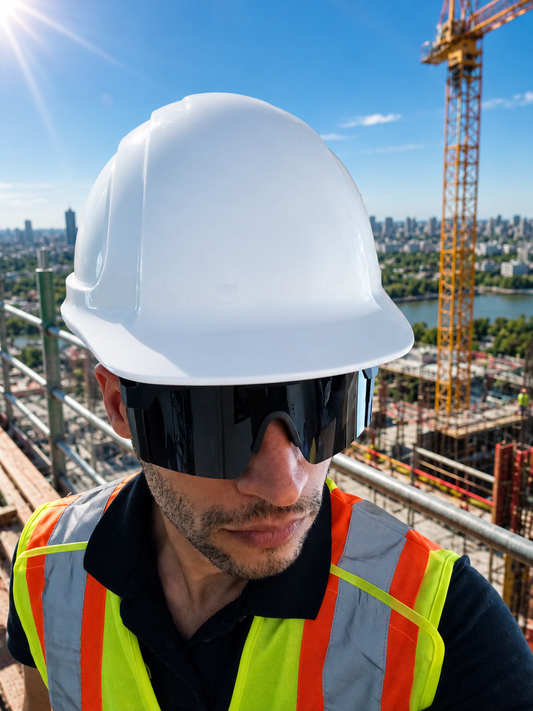
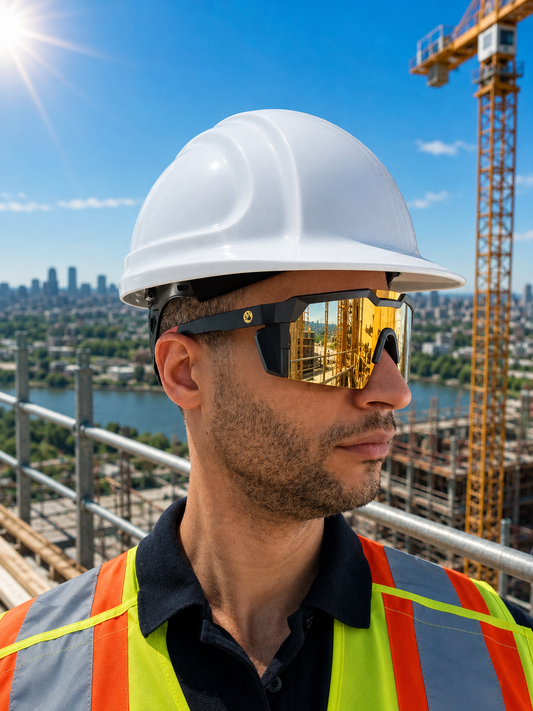
- Gafas de seguridad con protección UV;
- guantes resistentes a cortes;
- cascos;
- ropa de alta visibilidad.
En muchos casos, PPE debe cumplir con requisitos de seguridad tanto mecánicos como eléctricos.
Planificación de seguridad para proyectos solares
Los proyectos de instalación solar efectivos incluyen:
- evaluación del techo antes de la instalación;
- análisis de riesgos eléctricos;
- protección contra caídas planificación;
- evaluación del clima;
- estrategia de puesta en escena de materiales;
- planificación del rescate.
La planificación de seguridad debe realizarse antes de que los trabajadores accedan al techo.
Respuesta de emergencia
Los sitios de instalación solar deben estar preparados para emergencias como:
- cae desde una altura;
- descarga eléctrica;
- enfermedades relacionadas con el calor;
- lesiones por herramientas.
Un plan de rescate debe definir:
- procedimientos de comunicación;
- métodos de recuperación;
- contactos de emergencia;
- responsabilidades asignadas.
Requisitos de formación
Los instaladores solares deben estar capacitados en:
- protección contra caídas sistemas;
- seguridad eléctrica (sistemas DC);
- conciencia sobre los peligros en los tejados;
- uso PPE;
- seguridad de escaleras;
- procedimientos de emergencia.
Los requisitos de capacitación varían según el país y el marco regulatorio.
Preguntas frecuentes
¿Por qué la instalación solar se considera de alto riesgo?
Porque combina dos categorías de peligro principales: trabajo en altura y exposición eléctrica.
¿Los instaladores solares necesitan protección contra caídas?
Sí.
La mayoría de las instalaciones solares en tejados requieren protección contra caídas siempre que exista riesgo de caída.
¿Son peligrosos los paneles solares cuando no están conectados?
Sí.
Todavía pueden generar electricidad cuando se exponen a la luz solar.
¿Cuál es la lesión más común en la instalación solar?
Caídas desde altura y las lesiones por manipulación manual se encuentran entre los riesgos más comunes.
Conclusiones clave
- La instalación solar combina riesgos de tejados y eléctricos.
- Caídas desde altura siguen siendo el principal riesgo para la seguridad.
- La exposición eléctrica añade un riesgo único que no se encuentra en los trabajos de techado estándar.
- Condiciones climáticas influyen fuertemente en la seguridad.
- La planificación adecuada y PPE son esenciales para operaciones seguras.
- La instalación solar es una disciplina híbrida que requiere una formación especializada.
Referencias
Administración de Salud y Seguridad Ocupacional (OSHA) – Seguridad en instalaciones solares
https://www.osha.gov/solar-energy
Instituto Nacional de Seguridad y Salud Ocupacional (NIOSH) – Seguridad Eléctrica
https://www.cdc.gov/niosh/topics/electrical/
Agencia Internacional de Energías Renovables (IRENA) – Seguridad Solar PV
https://www.irena.org/
Asociación de Industrias de Energía Solar (SEIA) – Recursos de seguridad
https://www.seia.org/
Centro Canadiense de Salud y Seguridad Ocupacional (CCOHS) – Seguridad eléctrica
https://www.ccohs.ca/oshanswers/safety_haz/electrical.html
Ejecutivo de Salud y Seguridad (Reino Unido) – Electricidad en el Trabajo
https://www.hse.gov.uk/electricity/
Safe Work Australia – Seguridad eléctrica y en la construcción
https://www.safeworkaustralia.gov.au/
-
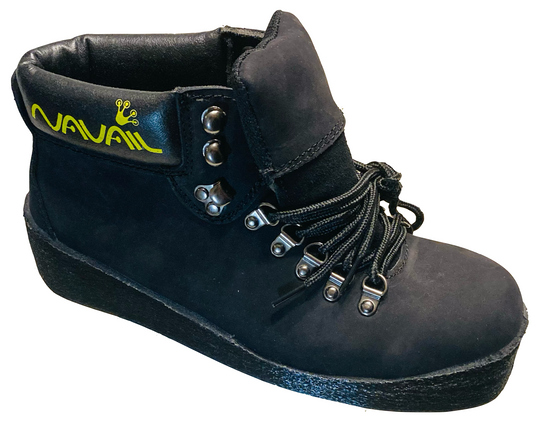
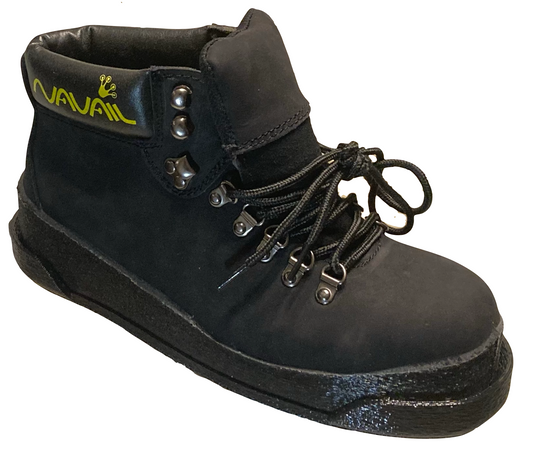
Bota MagSteel™
Precio habitual $350.00 USDPrecio habitual -
Zapato MagSteel™ Flow
Precio habitual $339.00 USDPrecio habitual -
Funda de suela manos libres
Precio habitual $50.00 USDPrecio habitual -
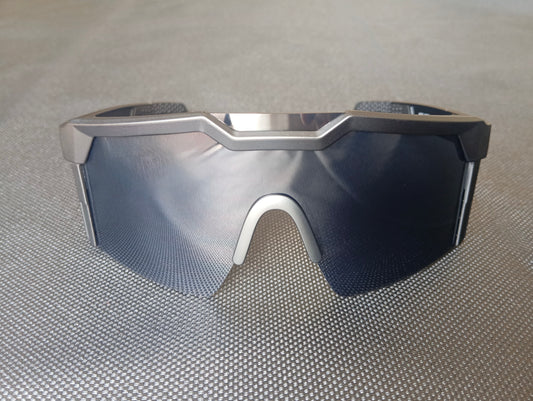
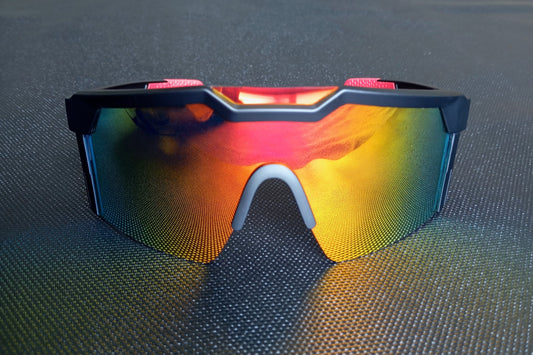
Neo Carbon : Gafas de sol de seguridad Z87
Precio habitual $65.00 USDPrecio habitual -
Neo Steel : Gafas de sol de seguridad Z87
Precio habitual $75.00 USDPrecio habitual