CENTRO DE SEGURIDAD
Trabajos en Altura Seguridad, Riesgos, Normatividad y Soluciones

Safety Hub es un centro de conocimiento integral dedicado a Seguridad en el trabajo en altura, riesgos industriales, sistemas de protección y estándares de seguridad en todas las industrias globales..
Cubre entornos donde los trabajadores están expuestos a superficies elevadas, estructuras de acero, tejados industriales, entornos marinos y condiciones de acceso complejas.
El objetivo es proporcionar una comprensión estructurada de:
- por qué ocurren los accidentes
- cómo se clasifican los riesgos
- qué sistemas de seguridad se utilizan
- cómo se aplican las regulaciones a nivel mundial
- ¿Qué soluciones prácticas existen?
Por qué es importante la seguridad en el trabajo en altura
El trabajo en altura sigue siendo una de las principales causas de lesiones laborales graves en todo el mundo.
Los peligros a menudo se amplifican cuando se superponen múltiples factores de riesgo:
- superficies de trabajo elevadas
- acero o materiales resbaladizos
- exposición al clima
- manejo de equipo pesado
- estructuras confinadas o estrechas
Estas condiciones son comunes en industrias como techado, instalación solar, construcción naval y mantenimiento industrial.
Marco de seguridad básico
Los sistemas de seguridad en el lugar de trabajo suelen seguir una jerarquía universal:
- Eliminación del peligro
- Sustitución
- Controles de ingeniería
- Controles administrativos
- Equipo de protección personal (PPE)
Este marco se utiliza en los sistemas de seguridad OSHA, UE, Canadá y Australia.
CATEGORÍAS DE RIESGOS DE SEGURIDAD
Comprender el riesgo es la base de la prevención.
🔴 Peligros de caída
Las caídas desde superficies elevadas siguen siendo el riesgo más crítico en entornos de trabajo industriales.
➡ Explorar: /centro-de-seguridad/riesgos/caidas
🟠 Riesgos de superficies metálicas y resbaladizas
El acero y las superficies revestidas pueden reducir significativamente la tracción, especialmente en condiciones húmedas o marinas.
➡ Explorar: /centro-de-seguridad/riesgos/techos-metalicos-resbaladizos
➡ Explorar: /centro-de-seguridad/riesgos/superficies-mojadas
🟡 Peligros para los ojos y el medio ambiente
Los trabajadores pueden estar expuestos a:
- radiación ultravioleta
- escombros voladores
- chispas de soldadura
- partículas transportadas por el viento
➡ Explorar: /centro-de-seguridad/riesgos/lesiones-oculares
🟡 Lesiones de los pies en el lugar de trabajo
Las lesiones en los pies suelen implicar:
- Choques
- aplastamiento
- Perforación de uñas
- Cortes y laceraciones
➡ Explorar: /centro-de-seguridad/riesgos/lesiones-de-los-pies-en-el-trabajo
SOLUCIONES DE SEGURIDAD
Las soluciones de seguridad están diseñadas para reducir o controlar la exposición al riesgo.
⚓ Tracción y estabilidad de la superficie
Mejorar el contacto con las superficies para caminar es fundamental en entornos basados en acero.
➡ Explorar: /centro-de-seguridad/soluciones/tracción
🪢 Sistemas de protección contra caídas
Los sistemas de detención y prevención de caídas son esenciales en entornos elevados.
➡ Explorar: /centro-de-seguridad/soluciones/protección-contra-caídas
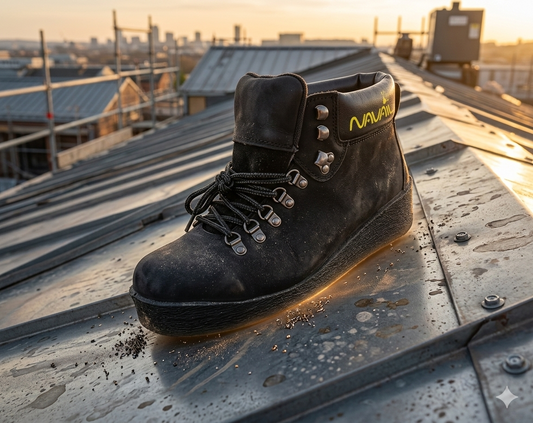
🧲 Sistemas de calzado magnético
En entornos de acero, el calzado especializado puede mejorar la estabilidad de la superficie y el control del movimiento durante las transiciones.
➡ Explorar: /centro-de-seguridad/soluciones/calzado-magnético
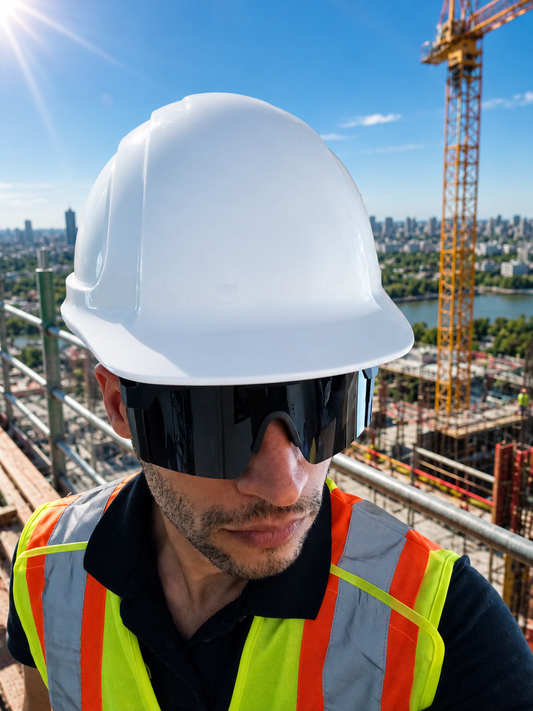
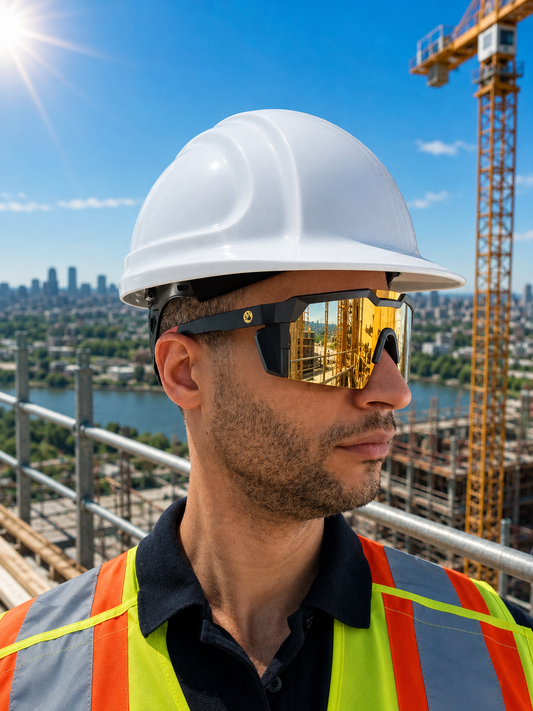
🥽 Sistemas de gafas de seguridad
Se requiere protección ocular en entornos expuestos a rayos UV, desechos o procesos industriales.
➡ Explorar: /centro-de-seguridad/soluciones/gafas-de-seguridad
🥾Calzado de seguridad
El calzado de seguridad protege contra riesgos de aplastamiento, perforación o descarga eléctrica. Proporcionan enormes beneficios de seguridad en entornos industriales o de construcción.
➡ Explorar: /centro-de-seguridad/soluciones/calzado-de-seguridad
APLICACIONES DE LA INDUSTRIA
Los requisitos de seguridad varían según el entorno de trabajo.
🏠 Industria de techado
Alta exposición a riesgos de caídas y superficies resbaladizas.
➡ Explorar: /centro-de-seguridad/industrias/techadores
☀️ Instalación solar
Combina techos, sistemas eléctricos y superficies reflectantes.
➡ Explorar: /centro-de-seguridad/industrias/instaladores-solares
🏗️ Industria del acceso mediante cuerdas
Acceso vertical especializado mediante sistemas de cuerdas para mantenimiento industrial.
➡ Explorar: /centro-de-seguridad/industrias/acceso por cuerdas
🚢 Construcción naval & Trabajo marítimo
Entornos de acero complejos con condiciones húmedas, aceitosas y confinadas.
➡ Explorar: /centro-de-seguridad/industrias/construcción naval
NORMAS DE SEGURIDAD GLOBALES
Los estándares de seguridad varían a nivel mundial, pero siguen principios similares de reducción de riesgos.
🇺🇸 OSHA (Estados Unidos)
Normas federales de seguridad en el lugar de trabajo.
➡ Explorar: /centro-de-seguridad/regulaciones/osha
🇪🇺 Europa (EU-OSHA + Normas EN)
Marco regulatorio armonizado entre los estados miembros.
➡ Explorar: /centro-de-seguridad/regulaciones/europa
🇨🇦 Canadá (Estándares CCOHS + CSA)
Sistemas provinciales de seguridad con orientación de normas nacionales.
➡ Explorar: /centro-de-seguridad/regulaciones/canadá
🇦🇺 Australia (Sistema WHS)
Modelo de seguridad basado en riesgos implementado a nivel estatal.
➡ Explorar: /centro-de-seguridad/regulaciones/australia
CÓMO SE CONECTAN ESTOS SISTEMAS
A pesar de las diferencias regionales, los sistemas de seguridad globales comparten principios básicos:
- prevención de caídas y accidentes
- uso de sistemas de protección por capas
- dependencia de la evaluación de riesgos
- uso obligatorio de PPE
- formación estructurada y cumplimiento
INDUSTRIA + RIESGO + MODELO DE SOLUCIÓN
El Safety Hub está estructurado en torno a una lógica simple:
Riesgo → Solución → Aplicación industrial
Ejemplo:
- Riesgo de caída → Protección contra caídas → Techado / Construcción naval
- Acero resbaladizo → Tracción → Acceso mediante cuerdas / trabajos marítimos
- Exposición ocular → Gafas → Solar / soldadura / construcción
Esta estructura refleja la toma de decisiones de seguridad en el mundo real.
CONCLUSIONES CLAVE
- La seguridad en los trabajos en altura es una prioridad industrial mundial
- Los riesgos son consistentes en todas las industrias, pero los entornos difieren
- Los sistemas de seguridad combinan regulación, ingeniería y PPE
- La seguridad en el mundo real requiere estrategias de protección en capas
- Industrias como la de tejados, la solar y la construcción naval comparten riesgos superpuestos
-
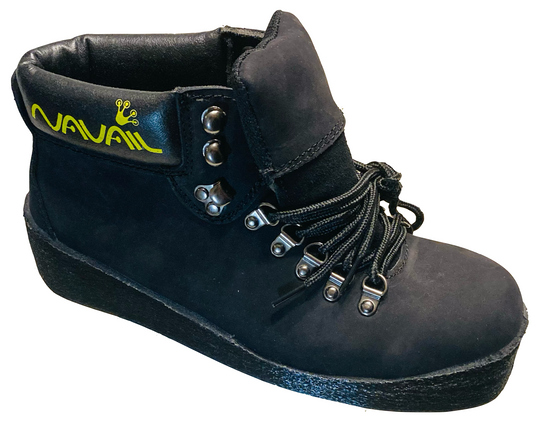
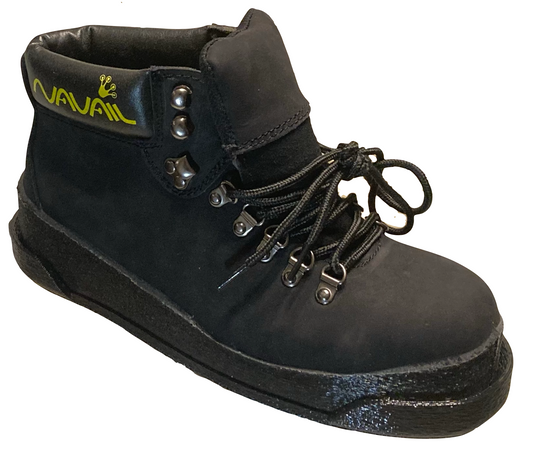
Bota MagSteel™
Precio habitual $350.00 USDPrecio habitual -
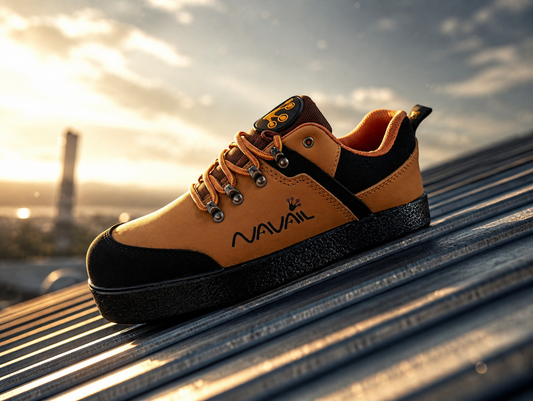
Zapato MagSteel™ Flow
Precio habitual $339.00 USDPrecio habitual -
Funda de suela manos libres
Precio habitual $50.00 USDPrecio habitual -
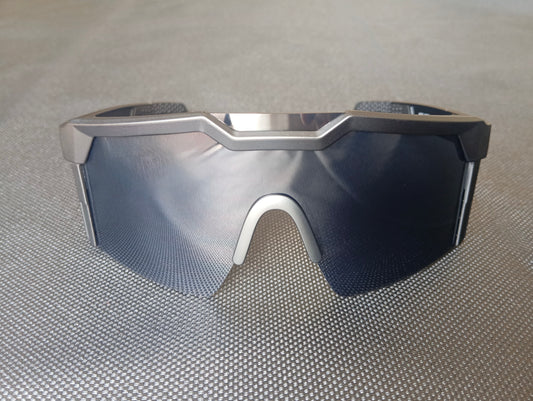
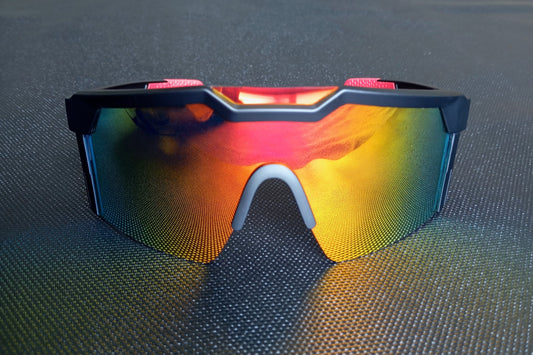
Neo Carbon : Gafas de sol de seguridad Z87
Precio habitual $65.00 USDPrecio habitual -
Neo Steel : Gafas de sol de seguridad Z87
Precio habitual $75.00 USDPrecio habitual