Seguridad en el lugar de trabajo en Europa
Reglamentos, Normas y Requisitos para Trabajos en Altura
La seguridad en el lugar de trabajo en Europa se rige por una combinación deDirectivas de la Unión Europea, normas armonizadas (EN/ISO) y regulaciones nacionales.
A diferencia delSistema OSHA de Estados Unidos, Europa no depende de un único organismo de aplicación unificado. En cambio, las reglas de seguridad se basan en un marco que es implementado por cada estado miembro.
A pesar de esto, los principios básicos son consistentes en toda la UE:
- prevenir accidentes laborales;
- reducir la exposición a los peligros;
- estandarizar los requisitos de EPP;
- regular el trabajo en altura;
- garantizar la responsabilidad del empleador en la gestión de riesgos.

El papel de la EU-OSHA
ElAgencia Europea para la Seguridad y la Salud en el Trabajo (EU-OSHA)es el organismo central responsable de recopilar, analizar y promover las mejores prácticas de seguridad en el lugar de trabajo en toda Europa.
EU-OSHA no hace cumplir las leyes directamente, pero apoya:
- armonización de enfoques de seguridad;
- investigación sobre riesgos laborales;
- campañas de concientización;
- Orientación para empleadores y trabajadores.
📌 Sitio web oficial de EU-OSHA:
https://osha.europa.eu/
Marco jurídico europeo para la seguridad en el trabajo
La base de la seguridad en el lugar de trabajo de la UE se basa en laDirectiva marco de la UE 89/391/CEE.
Esta directiva establece los principios generales de prevención y se aplica a todos los sectores.
Las obligaciones clave incluyen:
- evaluación de riesgos antes de comenzar el trabajo;
- prevención de riesgos laborales;
- formación e instrucción de trabajadores;
- provisión de EPP apropiado;
- mantenimiento de equipos y sistemas seguros;
- responsabilidad del empleador por los resultados de seguridad.
📌 Texto oficial de la directiva:
https://eur-lex.europa.eu/legal-content/EN/TXT/?uri=CELEX:31989L0391
Normativa sobre trabajos en altura en Europa
El trabajo en altura está regulado por múltiples directivas de la UE y leyes nacionales.
El principio básico en toda Europa es:
Se deben evitar los trabajos en altura siempre que sea posible y, cuando sean inevitables, se deben minimizar los riesgos.
Los requisitos comunes incluyen:
- uso de protección colectiva (barandillas, andamios);
- caerprevención antes de la detención de caídas;
- sistemas de acceso adecuados (escaleras, escaleras);
- formación de trabajadores expuestos a riesgos de altura;
- Inspección del equipo antes de su uso.
Reglamento de EPI en Europa (Reglamento UE 2016/425)
El equipo de protección personal en Europa está regulado por:
Reglamento UE 2016/425
Este reglamento define:
- Clasificación de EPI (Categoría I, II, III);
- procedimientos de evaluación de la conformidad;
- requisitos de marcado CE;
- obligaciones del fabricante;
- normas de vigilancia del mercado.
📌Reglamento oficial de EPI:
https://eur-lex.europa.eu/eli/reg/2016/425/oj
Marcado CE y Equipos de Seguridad
Cualquier EPI vendido en la UE debe llevar unmarca CE, indicando el cumplimiento de las normas de seguridad europeas.
El marcado CE garantiza:
- pruebas de seguridad de productos;
- cumplimiento de normas EN armonizadas;
- trazabilidad de la fabricación;
- conformidad con la legislación de la UE.
Para EPP de alto riesgo (Categoría III), como:
- sistemas de detención de caídas;
- arneses;
- protección respiratoria;
Se requiere certificación adicional y control de calidad continuo.
Normas EN para trabajos en altura
Europa utilizanormas EN armonizadasdefinir los requisitos técnicos de seguridad.
Los estándares clave incluyen:
EN 361 – Arneses de cuerpo entero
Define los requisitos para los arneses utilizados en los sistemas de detención de caídas.
EN 363 – Sistemas de protección contra caídas
Cubre el sistema completo, incluidos anclajes, conectores y absorbedores de energía.
EN 795 – Anchor Devices
Especifica los requisitos para los puntos de anclaje utilizados en los sistemas de protección contra caídas.
EN 365 – Inspección y Mantenimiento
Define los requisitos de inspección periódica para el PPE utilizado en protección contra caídas.
📌 CEN (Comité Europeo de Normalización):
https://www.cencenelec.eu/
Autoridades nacionales de seguridad en Europa
Cada país hace cumplir las directivas de la UE a través de su propia autoridad:
| País | Autoridad |
|---|---|
| Francia | INRS / Ministerio de Trabajo |
| Alemania | BAuA |
| Reino Unido | HSE |
| España | INST |
| Italia | INAIL |
| Países Bajos | Inspección SZW |
A pesar de las diferencias, todos siguen los principios de armonización de la UE.
Trabajo en altura en toda Europa
Las regulaciones de trabajo en altura se aplican a industrias como:
- techado y construcción;
- instalación solar;
- energía eólica;
- mantenimiento de estructuras de acero;
- construcción naval y trabajos en alta mar;
- operaciones de acceso mediante cuerdas.
Los requisitos comunes incluyen:
- evaluación de riesgos antes del trabajo;
- preferencia por la protección colectiva;
- sistemas certificados de protección contra caídas;
- personal capacitado;
- planificación del rescate.
Acceso con cuerdas y estándares europeos
Acceso por cuerdaen Europa se rige comúnmente por:
- Estándares IRATA (liderados por la industria);
- EN 12841 (sistemas de acceso mediante cuerdas);
- EN 1891 (cuerdas de baja elasticidad).
Estas normas garantizan:
- redundancia en sistemas de cables;
- sistemas de descenso/ascenso controlados;
- niveles de técnico certificado;
- Requisitos de capacidad de rescate.
📌 ENOJADO:https://irata.org/
Requisitos de EPI en los lugares de trabajo europeos
Los empleadores deben proporcionar PPE que:
- es apropiado para los riesgos identificados;
- está debidamente marcado CE;
- se adapta correctamente al trabajador;
- se mantiene y reemplaza cuando es necesario;
- va acompañado de formación.
Los trabajadores deben:
- utilizar el EPP correctamente;
- informar defectos;
- siga las instrucciones de seguridad.
Cultura de seguridad en Europa
La seguridad en el lugar de trabajo en Europa hace hincapié en:
- prevención sobre reacción;
- protección colectiva sobre EPI individuales;
- evaluación continua de riesgos;
- sistemas de formación estructurados;
- documentación y cumplimiento.
Este enfoque es especialmente visible en industrias de alto riesgo como la construcción, la energía y el trabajo marítimo.
Europa frente a otros sistemas regulatorios
| Característica | Europa | OSHA (Estados Unidos) |
|---|---|---|
| Estructura | Descentralizado (UE + leyes nacionales) | Sistema federal centralizado |
| EPI | Se requiere marcado CE | Estándares ANSI/NIOSH |
| Estándares | ES normas armonizadas | Regulaciones OSHA |
| Aplicación | autoridades nacionales | Agencia federal |
Ambos sistemas comparten el mismo objetivo: reducir las lesiones y muertes en el lugar de trabajo.
Conclusiones clave
- Europa utiliza un sistema de seguridad armonizado pero descentralizado.
- EU-OSHA proporciona orientación, no aplicación.
- Los EPI deben cumplir con el marcado CE y el Reglamento UE 2016/425.
- Las normas EN definen los requisitos técnicos para los equipos de seguridad.
- El trabajo en altura está fuertemente regulado en todos los países de la UE.
- Se prefiere la protección colectiva a los EPI por sí solos.
Referencias
EU-OSHA (Agencia Europea para la Seguridad y la Salud en el Trabajo)
https://osha.europa.eu/
Directiva marco de la UE 89/391/CEE
https://eur-lex.europa.eu/legal-content/EN/TXT/?uri=CELEX:31989L0391
Reglamento UE sobre EPI 2016/425
https://eur-lex.europa.eu/eli/reg/2016/425/oj
CEN / CENELEC Organización Europea de Normalización
https://www.cencenelec.eu/
Estándares internacionales de acceso mediante cuerdas de IRATA
https://irata.org/
Ejecutivo de Salud y Seguridad (Reino Unido) – Trabajo en altura
https://www.hse.gov.uk/work-at-height/
INRS Francia – Seguridad en el trabajo
https://www.inrs.fr/
-
Bota MagSteel™
Precio habitual $350.00 USDPrecio habitual -
Zapato MagSteel™ Flow
Precio habitual $339.00 USDPrecio habitual -
Funda de suela manos libres
Precio habitual $50.00 USDPrecio habitual -
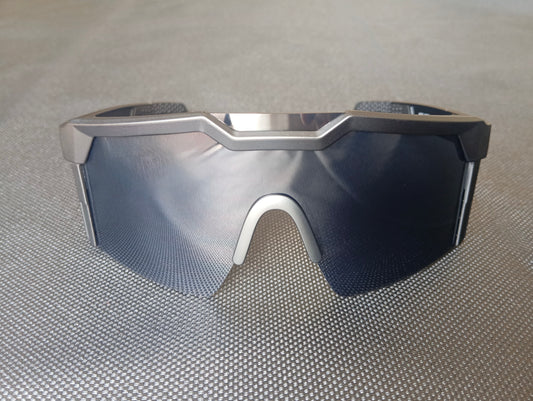
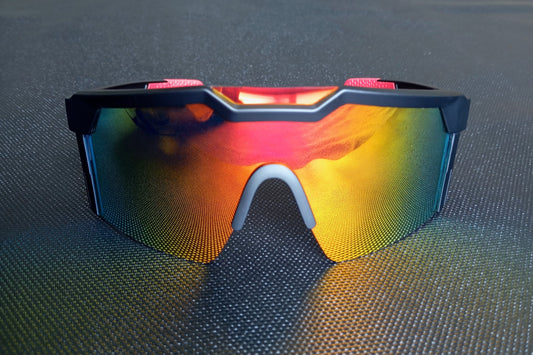
Neo Carbon : Gafas de sol de seguridad Z87
Precio habitual $65.00 USDPrecio habitual -
Neo Steel : Gafas de sol de seguridad Z87
Precio habitual $75.00 USDPrecio habitual