Lesiones oculares
Peligros, Prevención y Protección Ocular en el Trabajo
The eyes are among the most vulnerable parts of the human body.
Todos los días, los trabajadores están expuestos a partículas voladoras, polvo, radiación ultravioleta, productos químicos y peligros de impacto que pueden causar daños temporales o permanentes a la visión.
Many eye injuries occur suddenly and without warning. Even a small particle traveling at high speed can damage the eye.
Fortunately, most workplace eye injuries can be prevented through hazard identification, equipo de protección adecuadoy prácticas laborales seguras.
This guide explains the most common eye hazards and how workers can protect their vision.

Por qué son importantes las lesiones oculares
La visión es esencial para casi todos los trabajos.
An eye injury may result in:
- pérdida temporal de la visión;
- daño corneal;
- irritación de los ojos;
- quemaduras;
- discapacidad visual permanente;
- ceguera.
Eye injuries may also contribute to:
- productividad reducida;
- mayor riesgo de accidente;
- costos médicos;
- tiempo de trabajo perdido.
Debido a que muchas lesiones oculares se pueden prevenir, protección ocular remains one of the most important forms of personal protective equipment.
Causas comunes de lesiones oculares
Eye injuries generally fall into several categories:
- lesiones por impacto;
- partículas voladoras;
- exposición al polvo;
- radiación ultravioleta;
- salpicaduras de productos químicos;
- thermal hazards.
Understanding these hazards helps workers select appropriate protection.
Escombros voladores y peligros de impacto
Flying particles are among the leading causes of workplace eye injuries.
Los ejemplos incluyen:
- fragmentos de metal;
- astillas de madera;
- partículas de hormigón;
- gránulos para tejados;
- chispas de molienda;
- escombros de perforación;
- herramientas rotas.
Activities that commonly generate flying particles include:
- corte;
- molienda;
- perforación;
- sujeción;
- demolición;
- trabajos de techado.
Even small particles can travel at high speeds and damage the cornea.
Polvo y partículas en el aire
El polvo puede causar:
- irritación de los ojos;
- enrojecimiento;
- desgarro;
- malestar;
- deterioro temporal de la visión.
Las fuentes comunes incluyen:
- polvo de hormigón;
- aserrín;
- fibras aislantes;
- suelo;
- polvo de tejados;
- polvo agrícola.
Wind can significantly increase exposure, particularly on roofs and elevated work areas.
Workers may underestimate dust hazards because the particles are often invisible.
Radiación ultravioleta (UV)
Ultraviolet radiation is an often-overlooked workplace hazard.
Outdoor workers may receive significant UV exposure from:
- luz solar directa;
- luz solar reflejada;
- nieve;
- agua;
- superficies metálicas;
- materiales para techos blancos.
La exposición prolongada a los rayos UV puede contribuir a:
- cataratas;
- fotoqueratitis;
- pterigión;
- daño a la retina.
Los trabajadores frecuentemente expuestos a la luz solar incluyen:
- techadores;
- instaladores solares;
- trabajadores de la construcción;
- trabajadores agrícolas;
- equipos de servicios públicos;
- trabajadores marinos.
La exposición a los rayos UV se acumula con el tiempo.
La protección es importante incluso en días nublados.
Luz reflejada y deslumbramiento
Los reflejos brillantes pueden causar:
- fatiga visual;
- fatiga visual;
- dolores de cabeza;
- visibilidad reducida.
Metal roofs, solar panels, water, and light-colored surfaces may reflect significant amounts of sunlight.
Glare can reduce visual performance and increase the likelihood of mistakes.
Tinted safety eyewear may help improve comfort in bright environments.
Salpicaduras químicas
Ciertos lugares de trabajo exponen a los trabajadores a:
- productos de limpieza;
- disolventes;
- ácidos;
- sustancias alcalinas;
- productos químicos industriales.
Las lesiones químicas pueden ocurrir por:
- salpicaduras;
- aerosoles;
- fugas;
- contacto accidental.
Immediate flushing of the eyes is often essential after exposure.
Emergency eyewash stations may be required in some workplaces.
Peligros térmicos
High temperatures and sparks can damage the eyes.
Los ejemplos incluyen:
- operaciones de soldadura;
- sopletes de corte;
- materiales fundidos;
- partículas calientes.
Appropriate eye protection depends on the specific hazard.
Exposición al viento
El viento puede transportar:
- polvo;
- arena;
- escombros;
- insectos;
- partículas.
Workers on roofs, elevated platforms, and open industrial sites often experience greater wind exposure.
Wraparound eyewear may provide additional protection.
Ocupaciones en riesgo
Los peligros para los ojos afectan a muchas industrias, entre ellas:
- techado;
- construcción;
- instalación solar;
- fabricación;
- agricultura;
- mantenimiento;
- construcción naval;
- minería;
- paisajismo;
- transporte.
Many workers are exposed to several hazards simultaneously.
Por ejemplo, un techador puede encontrarse con:
- radiación ultravioleta;
- deslumbramiento;
- polvo;
- viento;
- escombros voladores.
Seleccionar la protección ocular adecuada
El tipo de protección debe coincidir con el peligro.
Los factores importantes incluyen:
- resistencia al impacto;
- protección lateral;
- protección UV;
- tinte de lentes;
- claridad óptica;
- comodidad.
Workers are more likely to wear protective eyewear consistently when it is comfortable and provides good visibility.
Lentes de seguridad transparentes
Clear lenses are commonly used indoors or in low-light conditions.
They provide impact protection while maintaining maximum visibility.
Lentes de seguridad tintadas
lentes tintados puede mejorar el confort en ambientes luminosos.
Las aplicaciones incluyen:
- techado;
- instalación solar;
- construcción al aire libre;
- trabajos marinos.
Tinted lenses can reduce glare and improve visual comfort.

Protección UV
Safety eyewear intended for outdoor work should provide protection against ultraviolet radiation.
UV protection helps reduce long-term exposure risks.
Workers often spend many hours exposed to sunlight over the course of their careers.
Estándares de protección ocular
Various standards establish performance requirements for protective eyewear.
Los ejemplos incluyen:
- ANSI Z87.1 (Estados Unidos)
- CSA Z94.3 (Canadá)
- EN ISO 16321 (Europa)
Estos estándares abordan:
- resistencia al impacto;
- calidad óptica;
- cobertura;
- durabilidad.
Los empleadores deberían asegurarse de que el equipo de protección cumpla con las regulaciones aplicables.
Primeros auxilios para lesiones oculares
Si ocurre una lesión en el ojo:
- dejar de trabajar inmediatamente;
- evite frotarse los ojos;
- enjuague las exposiciones químicas con agua;
- buscar atención médica cuando sea necesario.
Los objetos incrustados no deben ser retirados por personal no capacitado.
El tratamiento rápido puede reducir la gravedad de las lesiones.
Preguntas frecuentes
¿Son suficientes las gafas de sol para proteger el lugar de trabajo?
Normalmente no.
Las gafas de sol comunes pueden brindar protección contra los rayos UV, pero a menudo carecen de resistencia al impacto.
¿Pueden producirse daños por rayos UV en días nublados?
Sí.
La radiación ultravioleta puede atravesar la capa de nubes.
¿Por qué son importantes los protectores laterales?
Muchas partículas se acercan al ojo desde un lado.
La protección lateral aumenta la cobertura.

¿Los trabajadores al aire libre necesitan protección para los ojos?
Muchos trabajadores al aire libre se benefician de la protección contra la radiación ultravioleta, el deslumbramiento, el viento y los escombros.
Conclusiones clave
- La mayoría de las lesiones oculares en el lugar de trabajo se pueden prevenir.
- Las partículas voladoras siguen siendo una de las principales causas de lesiones.
- La exposición a los rayos UV puede causar daños a largo plazo.
- El polvo, el resplandor y el viento afectan el rendimiento visual.
- La protección ocular debe coincidir con el peligro específico.
- Unas gafas adecuadas mejoran tanto la seguridad como la comodidad.
Referencias
Instituto Nacional de Seguridad y Salud Ocupacional (NIOSH)
Seguridad ocular:
https://www.cdc.gov/niosh/topics/eye/
Administración de Salud y Seguridad Ocupacional (OSHA)
Protección de ojos y cara:
https://www.osha.gov/eye-face-protection
Academia Americana de Oftalmología
Salud ocular y protección UV:
https://www.aao.org/eye-health/tips-prevention/sun
Prevenir la ceguera
Seguridad ocular en el lugar de trabajo:
https://preventblindness.org/workplace-eye-safety/
Centro Canadiense de Salud y Seguridad Ocupacional
Protección de los ojos:
https://www.ccohs.ca/oshanswers/prevention/ppe/eye_prot.html
El Consejo de la Visión
Protección UV y salud ocular:
https://thevisioncouncil.org/
-
Bota MagSteel™
Precio habitual $350.00 USDPrecio habitual -
Zapato MagSteel™ Flow
Precio habitual $339.00 USDPrecio habitual -
Funda de suela manos libres
Precio habitual $50.00 USDPrecio habitual -
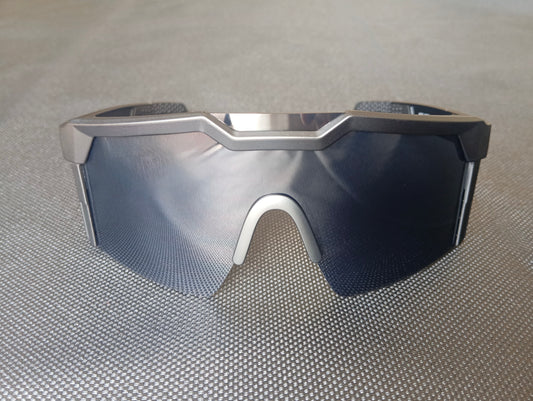
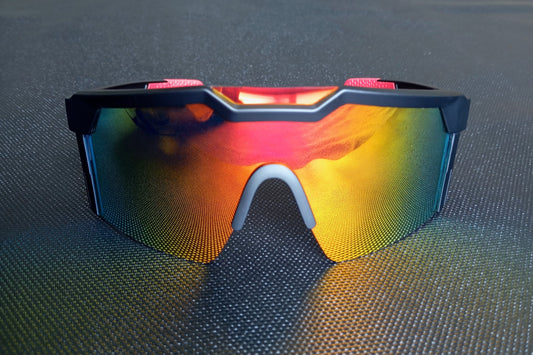
Neo Carbon : Gafas de sol de seguridad Z87
Precio habitual $65.00 USDPrecio habitual -
Neo Steel : Gafas de sol de seguridad Z87
Precio habitual $75.00 USDPrecio habitual