Caídas desde altura
Sistemas de Prevención, Protección y Seguridad
Las caídas desde altura siguen siendo una de las principales causas de muertes y lesiones graves en el lugar de trabajo en todo el mundo.
trabajadores de la construcción, techadores, técnicos de mantenimiento, instaladores solares, trabajadores industriales y profesionales del acceso mediante cuerdas A menudo realizan tareas en elevaciones donde un solo error puede tener consecuencias graves.
La mayoría de las caídas se pueden prevenir. Planificación adecuada, identificación de peligros, sistemas de protección contra caídasy la capacitación de los trabajadores puede reducir significativamente el riesgo.
Esta guía explica cómo ocurren las caídas, los peligros involucrados y las medidas de protección que ayudan a los trabajadores a mantenerse seguros.

¿Qué es una caída desde altura?
Una caída de altura se produce siempre que un trabajador cae de un nivel a otro.
Los ejemplos incluyen:
- bordes del techo;
- escaleras;
- andamios;
- plataformas elevadas;
- estructuras de acero;
- muelles de carga;
- plataformas de mantenimiento;
- equipos industriales.
Incluso las caídas relativamente cortas pueden provocar lesiones graves.
La gravedad depende de:
- distancia de caída;
- superficie de aterrizaje;
- obstáculos encontrados;
- posición del cuerpo;
- equipo de protección.
Por qué las caídas siguen siendo un peligro importante
El trabajo en altura combina varios factores de riesgo:
- elevación;
- pie inestable;
- exposición al clima;
- movilidad limitada;
- equipo pesado;
- áreas de trabajo restringidas.
Una pequeña pérdida de equilibrio puede convertirse rápidamente en un accidente grave.
Las posibles consecuencias incluyen:
- fracturas;
- lesiones de columna;
- lesiones cerebrales traumáticas;
- lesiones internas;
- incapacidad permanente;
- muertes.
Identificación de peligro de caída
El primer paso en la prevención de caídas es reconocer los peligros antes de comenzar el trabajo.
Los riesgos de caídas comunes incluyen:
- bordes del techo desprotegidos;
- tragaluces y aberturas en el techo;
- materiales frágiles para techos;
- pendientes pronunciadas;
- escaleras;
- plataformas temporales;
- superficies resbaladizas;
- mala iluminación.
Todo trabajo debe comenzar con una evaluación de riesgos.
Las preguntas que debe hacer incluyen:
- ¿Qué altura tiene el área de trabajo?
- ¿Dónde están los riesgos de caídas?
- ¿Qué sistemas de protección hay disponibles?
- ¿Cómo accederán los trabajadores al área?
- ¿Qué procedimientos de emergencia existen?
Bordes y aberturas del techo
Muchos accidentes por caídas ocurren cerca del perímetro del techo.
Los trabajadores pueden perder el equilibrio mientras:
- transportar materiales;
- dando la vuelta;
- dando un paso atrás;
- centrándose en el equipo.
Las aberturas en los tejados también presentan graves peligros.
Los ejemplos incluyen:
- tragaluces;
- aberturas de ventilación;
- trampillas de acceso;
- penetraciones de techo sin terminar.
Estas aberturas deben estar claramente marcadas, cubiertas o vigiladas.
Seguridad en escaleras
Las escaleras siguen siendo una de las fuentes más comunes de caídas en el lugar de trabajo.
Las prácticas inseguras incluyen:
- colocar escaleras sobre superficies inestables;
- extralimitarse;
- transportar cargas pesadas mientras se sube;
- usar escaleras dañadas;
- Ángulos incorrectos de la escalera.
Las buenas prácticas de escalera incluyen:
- inspeccionar las escaleras antes de usarlas;
- mantener tres puntos de contacto;
- asegurar la escalera;
- extender escaleras por encima de la superficie de aterrizaje cuando sea apropiado.
Las escaleras nunca deben considerarse sistemas de protección contra caídas.
Son dispositivos de acceso.
Barandillas y redes de seguridad
Las barandillas proporcionan protección pasiva.
No dependen del comportamiento de los trabajadores y protegen a todos en el área.
A menudo se instalan barandillas:
- a lo largo de los bordes del tejado;
- en plataformas;
- alrededor de aberturas;
- cerca de pasarelas elevadas.
Las redes de seguridad pueden proporcionar protección adicional cuando las barandillas no son prácticas.
Debido a que estos sistemas protegen a varios trabajadores simultáneamente, a menudo se prefieren a los equipos de protección personal.
Sistemas personales de detención de caídas
Un sistema personal de detención de caídas está diseñado para detener a un trabajador durante una caída antes del impacto con un nivel inferior.
Los componentes típicos incluyen:
- arnés de cuerpo completo;
- cordón de conexión;
- absorbente de energía;
- punto de anclaje.
Estos sistemas no previenen las caídas.
Reducen las consecuencias de una caída.
La inspección, el mantenimiento y la capacitación adecuados son esenciales.
Puntos de anclaje
Un punto de anclaje es la estructura que soporta el sistema anticaídas.
Las anclas pueden ser:
- permanente;
- temporal;
- montado en el techo;
- accesorios estructurales de acero.
La selección inadecuada del anclaje puede causar una falla total del sistema.
Las ubicaciones de los anclajes deben minimizar:
- distancia de caída libre;
- peligros de balanceo;
- obstáculos debajo del trabajador.
Los anclajes siempre deben cumplir con las regulaciones aplicables y los requisitos del fabricante.
Distancia de separación de caídas
Los sistemas de detención de caídas requieren suficiente espacio libre debajo del trabajador.
La distancia libre total puede incluir:
- distancia de caída libre;
- distancia de desaceleración;
- estiramiento del arnés;
- alargamiento del conector;
- altura del trabajador;
- margen de seguridad.
Un espacio libre insuficiente puede permitir que un trabajador golpee el suelo o baje las estructuras antes de que el sistema detenga la caída.
Los cálculos de la distancia de caída deben realizarse antes de comenzar el trabajo.
Peligros de caída por columpio
Una caída por balanceo ocurre cuando el trabajador cae mientras está ubicado horizontalmente lejos del punto de anclaje.
En lugar de caer hacia abajo, el trabajador se balancea como un péndulo.
Las caídas en columpio pueden provocar:
- impacto con estructuras;
- lesiones adicionales;
- tiempos de rescate más largos.
Los trabajadores deben permanecer lo más cerca posible del punto de anclaje directamente encima de ellos siempre que sea práctico.
Trauma por suspensión
Después de una detención de caída, un trabajador puede permanecer suspendido con un arnés.
La suspensión prolongada puede restringir la circulación sanguínea y provocar un traumatismo por suspensión.
Los síntomas pueden incluir:
- mareos;
- pérdida del conocimiento;
- dificultades respiratorias;
- problemas circulatorios.
El rescate rápido es esencial.
Los trabajadores nunca deben asumir que sobrevivir a la caída inicial elimina el peligro.
Planes de rescate después de una caída
Toda operación de trabajo en altura debe incluir un plan de rescate.
Las preguntas a considerar incluyen:
- ¿Quién realizará el rescate?
- ¿Qué equipo se requiere?
- ¿Qué tan rápido puede llegar la asistencia?
- ¿Cómo se llegará a los trabajadores suspendidos?
Es posible que los servicios de emergencia por sí solos no proporcionen una respuesta suficientemente rápida.
La planificación del rescate debe realizarse antes de que comience el trabajo.
Los trabajadores deben recibir capacitación sobre procedimientos de emergencia.
Cultura de Formación y Seguridad
El equipo por sí solo no puede eliminar los riesgos de caídas.
Los programas de seguridad eficaces incluyen:
- reconocimiento de peligros;
- inspecciones periódicas;
- charlas sobre la caja de herramientas;
- participación de los trabajadores;
- planificación previa al trabajo;
- reporte de incidentes.
Las organizaciones que priorizan la seguridad suelen experimentar menos accidentes y lesiones.
Regulaciones Internacionales
Estados Unidos
OSHA requiere que los empleadores evalúen los riesgos de caídas y brinden protección adecuada durante las actividades de construcción y mantenimiento.
Europa
La normativa europea hace hincapié en la evaluación de riesgos y prioriza las medidas de protección colectiva siempre que sea posible.
Canadá
Las regulaciones provinciales generalmente exigen protección contra caídas cuando los trabajadores están expuestos a elevaciones peligrosas.
Australia
Las regulaciones australianas se centran en eliminar los riesgos de caídas antes de depender del equipo de protección personal.
Preguntas frecuentes
¿Cuál es la principal causa de caídas desde altura?
Entre las principales causas se encuentran los bordes desprotegidos, la pérdida del equilibrio, el equipo de acceso inadecuado y la protección contra caídas inadecuada.
¿Los arneses previenen las caídas?
No.
Los arneses detienen una caída después de que ocurre.
Prevenir la caída sigue siendo la estrategia preferida.
¿Por qué es importante la planificación del rescate?
Los trabajadores suspendidos después de una caída pueden desarrollar un trauma por suspensión en un período relativamente corto.
El rescate rápido es esencial.
¿Se consideran las escaleras protección contra caídas?
No.
Las escaleras brindan acceso pero no protegen a los trabajadores de caídas.
Conclusiones clave
- Las caídas desde altura siguen siendo uno de los principales riesgos laborales.
- La identificación de los peligros debe realizarse antes de comenzar el trabajo.
- Los bordes y aberturas del tejado requieren una atención especial.
- Se debe priorizar las barandillas y la protección colectiva.
- Los sistemas de detención de caídas requieren anclajes adecuados y espacio libre adecuado.
- La planificación del rescate es esencial.
- Siempre es preferible prevenir las caídas que detenerlas.
Referencias
Organización Mundial de la Salud:
https://www.who.int/news-room/fact-sheets/detail/falls
Caídas de construcción de NIOSH:
https://www.cdc.gov/niosh/construction/topics/falls.html
Prevención de caídas de NIOSH:
https://www.cdc.gov/niosh/falls/
OSHA Protección contra caídas:
https://www.osha.gov/fall-protection
Estándares de construcción OSHA:
https://www.osha.gov/laws-regs/regulations/standardnumber/1926/1926SubpartM
Centro Canadiense de Salud y Seguridad Ocupacional:
https://www.ccohs.ca/oshanswers/prevention/fallprotection/
Trabajo seguro Australia:
https://www.safeworkaustralia.gov.au/safety-topic/hazards/falls
-
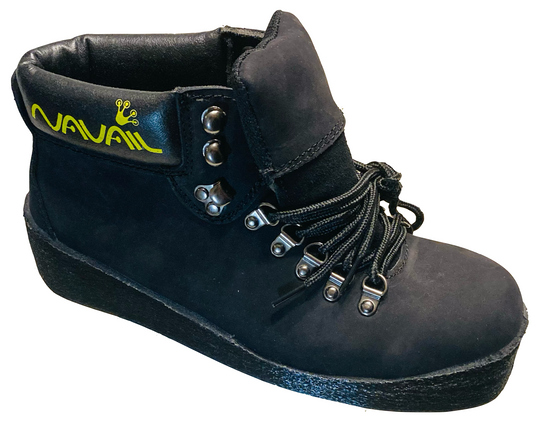
Bota MagSteel™
Precio habitual $350.00 USDPrecio habitual -
Zapato MagSteel™ Flow
Precio habitual $339.00 USDPrecio habitual -
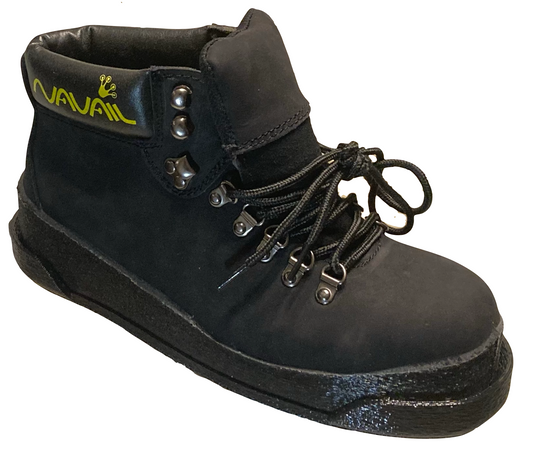
Funda de suela manos libres
Precio habitual $50.00 USDPrecio habitual -
Neo Carbon : Gafas de sol de seguridad Z87
Precio habitual $65.00 USDPrecio habitual -
Neo Steel : Gafas de sol de seguridad Z87
Precio habitual $75.00 USDPrecio habitual