Slippery Metal Roofs
Causes, Risks and Safety Solutions
Working on a metal roof presents unique safety challenges. Steel and aluminum roofing systems provide durability, longevity, and weather resistance, but they can also become extremely slippery under certain conditions.
Whether you are a roofer, solar installer, maintenance technician, HVAC contractor, or building owner, understanding why metal roofs become slippery is essential for preventing falls and improving worker safety.
This guide explains:
- why metal roofs lose traction;
- the factors that increase slip risk;
- how accidents occur;
- methods to improve grip;
- applicable safety regulations;
- recommended protective equipment.

Why Are Metal Roofs Slippery?
Metal roofs often have smooth protective coatings designed to resist corrosion, dirt accumulation, and weathering.
Unlike asphalt shingles, metal panels provide relatively little surface texture. When moisture, frost, dust, oil, or debris are present, the available friction decreases significantly.
Several factors contribute to reduced traction:
- smooth painted surfaces;
- standing seam geometry;
- condensation;
- rain and dew;
- frost and ice;
- dust and pollen;
- steep roof pitches.
Even low-slope roofs can become hazardous.
Many experienced contractors report that shallow metal roofs may feel more dangerous than steep roofs because workers tend to underestimate the risk.
Common Causes of Slipping
Rain
Water acts as a lubricant between footwear and steel surfaces.
Even light rain can dramatically reduce traction.
Morning Dew
Many incidents occur early in the morning before surfaces have completely dried.
Workers often underestimate dew because the roof appears dry from a distance.
Condensation
Metal cools rapidly during the night. Warm humid air can condense on the surface, producing an invisible film of moisture.
Condensation is particularly common:
- agricultural buildings;
- warehouses;
- industrial facilities;
- unventilated buildings.
Frost and Ice
Frozen moisture can reduce friction to nearly zero.
Even a thin layer of frost can make a roof extremely hazardous.
Dust, Pollen and Dirt
Dry roofs are not necessarily safe.
Dust, construction debris, sawdust, metal particles, and pollen can act as rolling particles between the shoe sole and the roof.
Oil and Industrial Contaminants
Factories, manufacturing facilities, and industrial rooftops may contain:
- lubricants;
- grease;
- hydraulic fluids;
- chemical residues.
These contaminants significantly increase slipping hazards.
Risk Factors
Several variables influence the probability of slipping.
| Risk Factor | Increased Risk |
|---|---|
| Wet surface | Very high |
| Frost or ice | Extreme |
| Roof pitch | High |
| Smooth coatings | Moderate |
| Dust and debris | Moderate |
| Poor footwear | High |
| Lack of fall protection | Severe |
The combination of multiple factors often leads to accidents.
For example:
- low-slope roof;
- morning condensation;
- dusty surface;
- worn footwear.
Each factor alone may appear manageable, but together they create dangerous conditions.
Who Is Most Exposed?
Workers commonly exposed to slippery metal surfaces include:
- metal roofers;
- solar installers;
- HVAC technicians;
- industrial maintenance workers;
- agricultural workers;
- rope access technicians;
- shipyard workers;
- warehouse maintenance personnel.
The Consequences of Roof Falls
Falls remain one of the leading causes of occupational fatalities worldwide.
Construction workers account for a large proportion of fatal falls.
Roof work is consistently among the highest-risk construction activities.
The consequences may include:
- fractures;
- spinal injuries;
- traumatic brain injuries;
- permanent disabilities;
- fatalities.
Beyond the human cost, falls can result in:
- project delays;
- insurance claims;
- legal liability;
- increased workers' compensation costs.
How to Improve Traction on Metal Roofs
1. Avoid Unsafe Conditions
Do not work on a roof when:
- ice is present;
- frost covers the surface;
- rain is occurring;
- strong winds are present.
The safest roof is the one that workers do not access unnecessarily.
2. Keep the Surface Clean
Remove:
- dust;
- loose debris;
- leaves;
- metal shavings;
- snow accumulation.
Housekeeping significantly improves traction.
3. Wear Appropriate Footwear
Footwear is one of the most important factors.
Features that improve traction include:
- soft rubber compounds;
- large contact areas;
- flexible soles;
- specialized grip technologies.
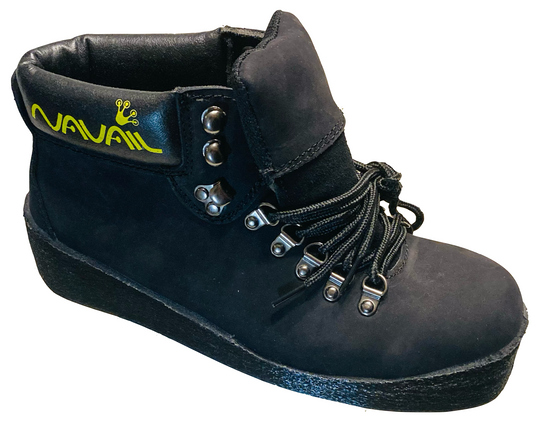
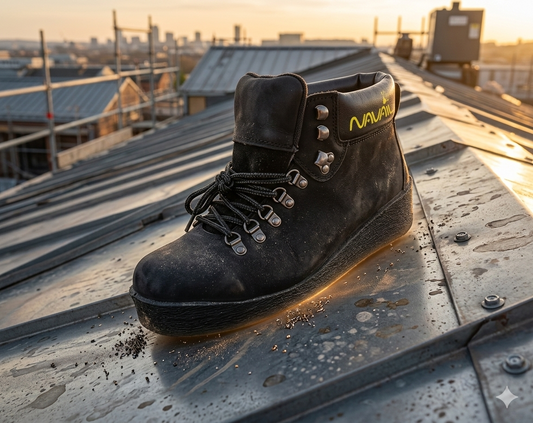
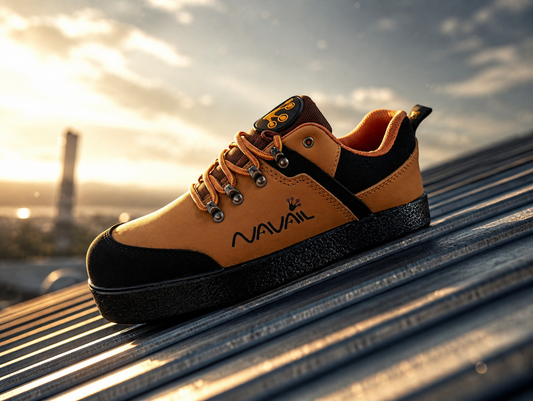
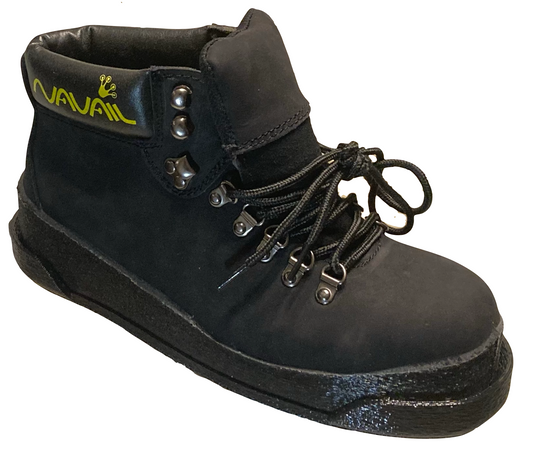
For steel roofs, magnetic footwear technology can provide additional adhesion by generating attractive forces between magnets and ferromagnetic roof panels.
4. Use Fall Protection Systems
Fall protection may include:
- safety harnesses;
- lifelines;
- roof anchors;
- guardrails;
- horizontal lifelines;
- rope access systems.
Fall protection reduces injury severity if a slip occurs.
5. Plan Access Routes
Workers should identify:
- safe walking paths;
- attachment points;
- ladder locations;
- emergency escape routes.
Poor planning is a major contributor to falls.
The Hierarchy of Protection
Safety professionals often prioritize controls using the following order:
- Eliminate the hazard.
- Reduce exposure.
- Improve traction.
- Use collective protection.
- Use personal protective equipment.
No single solution completely eliminates risk.
The best safety strategy combines multiple layers of protection.
International Safety Requirements
United States
OSHA requires fall protection for many roofing operations and emphasizes planning, training, and safe access.
Europe
European regulations require employers to evaluate risks and implement preventive measures before work at height.
Australia
Australian safety guidance places strong emphasis on fall prevention, safe access systems, and risk assessments.
Canada
Canadian provinces generally require fall protection systems and hazard assessments for roof work.
Frequently Asked Questions
Are metal roofs always slippery?
No. Dry metal roofs with suitable footwear, moderate slope and safe conditions may provide adequate traction.
However, moisture, frost, contamination, or poor footwear can rapidly increase slip risk.
Are steep roofs more dangerous?
Not always.
Many experienced roofers report that low-slope roofs create a false sense of security.
Is walking on a wet metal roof safe?
Wet metal roofs should generally be considered hazardous.
Additional controls and fall protection are often necessary.
Can footwear improve safety?
Yes.
Proper footwear especially magnetic ones, can substantially improve traction and reduce slipping risks.
Key Takeaways
- Metal roofs become slippery because of low surface friction.
- Moisture, frost, dust, and contaminants increase risk.
- Roof falls remain a major cause of construction fatalities.
- Proper footwear is essential.
- Fall protection systems remain critical.
- Multiple safety measures should always be combined.
References
CDC / NIOSH:
- https://www.cdc.gov/niosh/falls/about/
-
https://www.cdc.gov/niosh/bulletin/2024/construction-falls.html
NIOSH:
Prevent Construction Falls from Roofs, Ladders, and Scaffolds
OSHA:
Reducing Falls During Standing Seam Metal Roof Installation
Various roofing industry safety publications and technical resources.
-
MagSteel™ Boot
Regular price $350.00 USDRegular price -
MagSteel™ Flow Shoe
Regular price $339.00 USDRegular price -
Hands free sole cover
Regular price $50.00 USDRegular price -
Neo Carbon™ Black Safety Sunglasses | ANSI Z87 & UV400
Regular price $65.00 USDRegular price -
Neo Steel™ Mirror Safety Sunglasses | ANSI Z87 & Anti-Glare UV400
Regular price $75.00 USDRegular price