SAFETY HUB
Work at Height Safety, Risks, Regulations and Solutions

The Safety Hub is a comprehensive knowledge center dedicated to work at height safety, industrial risks, protective systems, and safety standards across global industries.
It covers environments where workers are exposed to elevated surfaces, steel structures, industrial rooftops, marine environments, and complex access conditions.
The goal is to provide a structured understanding of:
- why accidents happen
- how risks are classified
- which safety systems are used
- how regulations apply globally
- what practical solutions exist
Why Work at Height Safety Matters
Working at height remains one of the leading causes of serious workplace injuries worldwide.
Hazards are often amplified when multiple risk factors overlap:
- elevated working surfaces
- steel or slippery materials
- weather exposure
- heavy equipment handling
- confined or narrow structures
These conditions are common in industries such as roofing, solar installation, shipbuilding, and industrial maintenance.
Core Safety Framework
Workplace safety systems typically follow a universal hierarchy:
- Elimination of hazard
- Substitution
- Engineering controls
- Administrative controls
- Personal protective equipment (PPE)
This framework is used across OSHA, EU, Canada, and Australia safety systems.
SAFETY RISK CATEGORIES
Understanding risk is the foundation of prevention.
🔴 Fall Hazards
Falls from elevated surfaces remain the most critical risk in industrial work environments.
➡ Explore: /safety-hub/risks/falls
🟠 Slippery and Metal Surface Risks
Steel and coated surfaces can significantly reduce traction, especially in wet or marine conditions.
➡ Explore: /safety-hub/risks/slippery-metal-roofs
➡ Explore: /safety-hub/risks/wet-surfaces
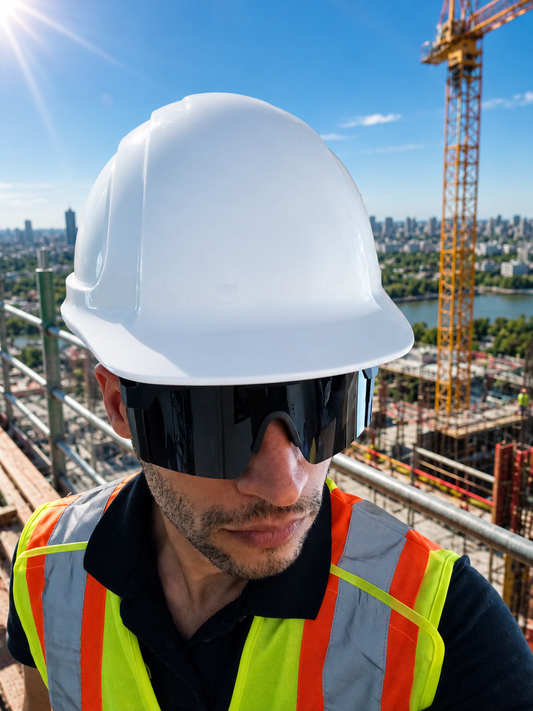
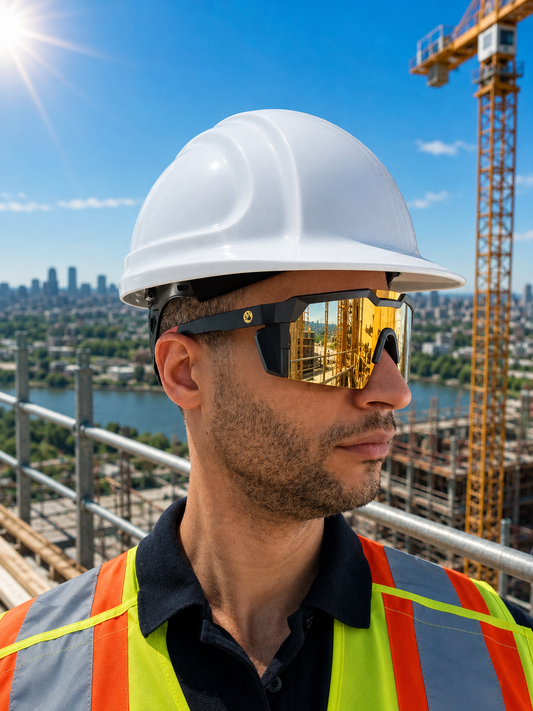
🟡 Eye and Environmental Hazards
Workers may be exposed to:
- UV radiation
- flying debris
- welding sparks
- windborne particles
➡ Explore: /safety-hub/risks/eye-injuries
🟡 Workplace Foot Injuries
Foot injury typically involves:
- Shocks
- Crushing
- Nail Perforation
- Cuts and lacerations
➡ Explore: /safety-hub/risks/workplace-foot-injuries
SAFETY SOLUTIONS
Safety solutions are designed to reduce or control risk exposure.
⚓ Traction and Surface Stability
Improving contact with walking surfaces is critical in steel-based environments.
➡ Explore: /safety-hub/solutions/traction
🪢 Fall Protection Systems
Fall arrest and fall prevention systems are essential in elevated environments.
➡ Explore: /safety-hub/solutions/fall-protection
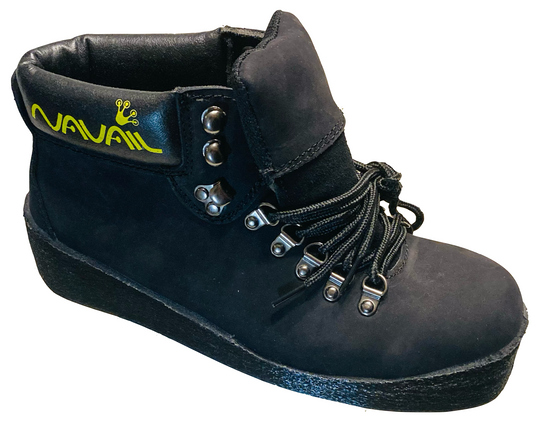
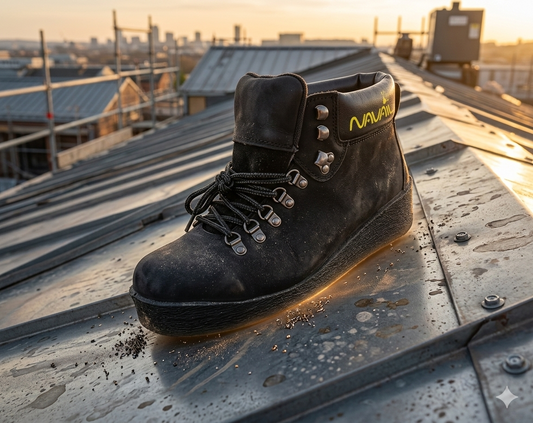
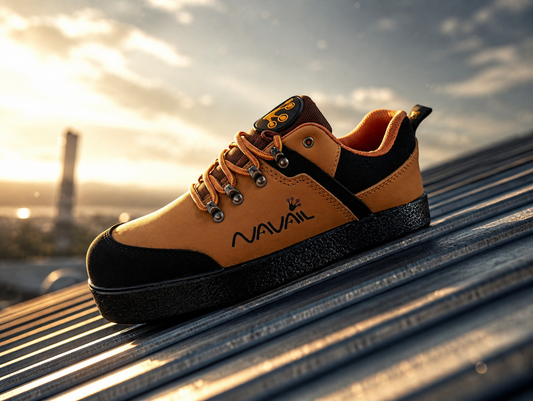
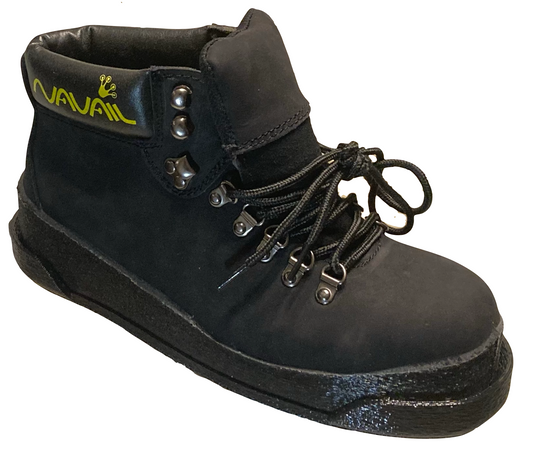
🧲 Magnetic Footwear Systems
In steel environments, specialized footwear can improve surface stability and movement control during transitions.
➡ Explore: /safety-hub/solutions/magnetic-footwear
🥽 Safety Eyewear Systems
Eye protection is required in environments exposed to UV, debris, or industrial processes.
➡ Explore: /safety-hub/solutions/safety-eyewear
🥾Safety Footwear
Safety Footwear protects from crushing, puncture or shock hazards. They provide huge safety benefits in industrial or construction environments.
➡ Explore: /safety-hub/solutions/safety-Footwear
INDUSTRY APPLICATIONS
Safety requirements vary depending on working environment.
🏠 Roofing Industry
High exposure to fall risks and slippery surfaces.
➡ Explore: /safety-hub/industries/roofers
☀️ Solar Installation
Combines roofing, electrical systems, and reflective surfaces.
➡ Explore: /safety-hub/industries/solar-installers
🏗️ Rope Access Industry
Specialized vertical access using rope systems for industrial maintenance.
➡ Explore: /safety-hub/industries/rope-access
🚢 Shipbuilding & Marine Work
Complex steel environments with wet, oily, and confined conditions.
➡ Explore: /safety-hub/industries/shipbuilding
GLOBAL SAFETY REGULATIONS
Safety standards vary globally but follow similar principles of risk reduction.
🇺🇸 OSHA (United States)
Federal workplace safety regulations.
➡ Explore: /safety-hub/regulations/osha
🇪🇺 Europe (EU-OSHA + EN Standards)
Harmonised regulatory framework across member states.
➡ Explore: /safety-hub/regulations/europe
🇨🇦 Canada (CCOHS + CSA Standards)
Provincial safety systems with national standards guidance.
➡ Explore: /safety-hub/regulations/canada
🇦🇺 Australia (WHS System)
Risk-based safety model enforced at state level.
➡ Explore: /safety-hub/regulations/australia
HOW THESE SYSTEMS CONNECT
Despite regional differences, global safety systems share core principles:
- prevention of falls and accidents
- use of layered protection systems
- reliance on risk assessment
- mandatory PPE usage
- structured training and compliance
INDUSTRY + RISK + SOLUTION MODEL
The Safety Hub is structured around a simple logic:
Risk → Solution → Industry Application
Example:
- Fall risk → Fall protection → Roofing / Shipbuilding
- Slippery steel → Traction → Rope access / marine work
- Eye exposure → Eyewear → Solar / welding / construction
This structure reflects real-world safety decision-making.
KEY TAKEAWAYS
- Work at height safety is a global industrial priority
- Risks are consistent across industries but environments differ
- Safety systems combine regulation, engineering, and PPE
- Real-world safety requires layered protection strategies
- Industries such as roofing, solar, and shipbuilding share overlapping hazards
-
MagSteel™ Boot
Regular price $350.00 USDRegular price -
MagSteel™ Flow Shoe
Regular price $339.00 USDRegular price -
Hands free sole cover
Regular price $50.00 USDRegular price -
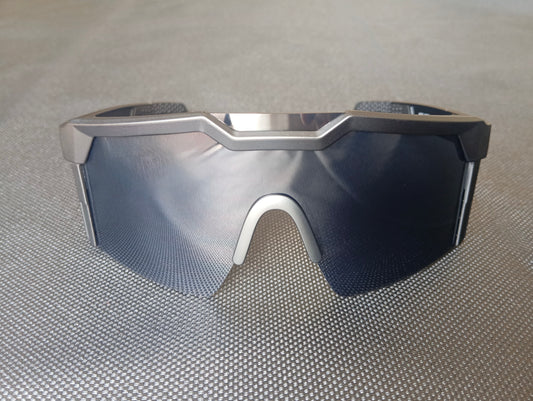
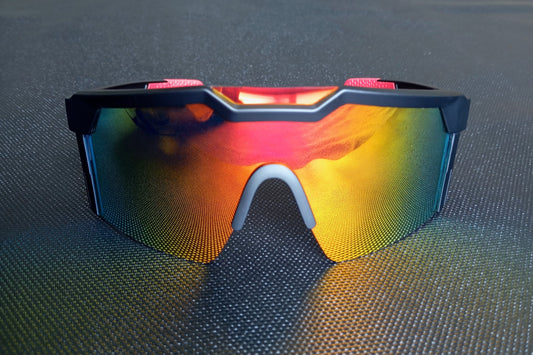
Neo Carbon™ Black Safety Sunglasses | ANSI Z87 & UV400
Regular price $65.00 USDRegular price -
Neo Steel™ Mirror Safety Sunglasses | ANSI Z87 & Anti-Glare UV400
Regular price $75.00 USDRegular price