OSHA-Sicherheitsstandards
Ein praktischer Leitfaden für Arbeiten in der Höhe und Arbeitssicherheit
Die Occupational Safety and Health Administration (OSHA) legt in den Vereinigten Staaten Sicherheitsstandards am Arbeitsplatz fest und setzt diese durch.
Diese Vorschriften zielen darauf ab, Verletzungen und Todesfälle am Arbeitsplatz zu reduzieren, indem Mindestanforderungen für die Gefahrenbeherrschung, die Verwendung von Geräten und sichere Arbeitspraktiken festgelegt werden.
Für Branchen wie Überdachung, Solaranlage, Stahlbau und Schiffbau, OSHA-Standards sind eine wichtige Referenz für die Gestaltung sicherer Arbeitsumgebungen.
Dieser Leitfaden erläutert die wichtigsten OSHA-Standards in praktischer Hinsicht und konzentriert sich dabei auf Absturzsicherung, PPE, Leitern und begehbare Arbeitsflächen.

Warum OSHA-Standards wichtig sind
Bei den OSHA-Vorschriften handelt es sich nicht nur um gesetzliche Anforderungen – sie repräsentieren jahrzehntelange Forschung zur Arbeitssicherheit und Analyse von Vorfällen.
Sie helfen bei der Definition:
- wann Absturzsicherung ist erforderlich;
- welche Ausrüstung ist akzeptabel;
- wie Arbeiter auf erhöhte Flächen zugreifen sollten;
- Mindestanforderungen PPE;
- Pflichten des Arbeitgebers zur Gefahrenverhütung.
Compliance reduziert sowohl das Verletzungsrisiko als auch die rechtliche Gefährdung.
OSHA Geh-Arbeitsflächen Standard
Eines der wichtigsten OSHA-Frameworks für Industrie- und Bauumgebungen ist das Standard für begehbare Arbeitsflächen (29 CFR 1910 Unterabschnitt D).
Es gilt für:
- Böden;
- Dächer;
- Plattformen;
- Leitern;
- Treppen;
- erhöhte Laufflächen.
Zu den wichtigsten Grundsätzen gehören:
- Aufrechterhaltung sicherer Zugangswege;
- Vermeidung von Rutsch- und Stolpergefahren;
- bei Bedarf Geländer oder Absturzsicherung verwenden;
- Sicherstellen, dass die Oberflächen in einem sicheren Zustand gehalten werden.
📌 Offizielle OSHA-Referenz:
https://www.osha.gov/walking-working-surfaces
OSHA Absturzsicherungsanforderungen
Der Absturzschutz ist einer der kritischsten OSHA-Regulierungsbereiche.
Bauindustrie (29 CFR 1926 Subpart M)
OSHA erfordert im Allgemeinen einen Absturzschutz, wenn Arbeiter Folgendem ausgesetzt sind:
- ungeschützte Kanten bei 6 Fuß (1.8 m) oder mehr;
- Dachdeckerarbeiten auf Dächern mit geringer Neigung und Steilheit;
- Oberlichter und Dachöffnungen;
- Gerüste und erhöhte Plattformen;
- Stahlbautätigkeiten.
📌 Offizieller OSHA-Standard:
https://www.osha.gov/laws-regs/regulations/standardnumber/1926/1926SubpartM
Akzeptable Absturzsicherungssysteme
OSHA erkennt mehrere Systeme:
- Leitplankensysteme
- Sicherheitsnetzsysteme
- Persönliche Absturzsicherungssysteme (PFAS)
- Positionierungssysteme
- Absturzsicherungssysteme (sofern zutreffend)
Jedes System muss ordnungsgemäß entworfen, installiert und gewartet werden.
OSHA Sicherheitsregeln für Leitern
Leitern sind eine der Hauptursachen für Verletzungen am Arbeitsplatz.
OSHA erfordert:
- richtige Auswahl der Leiter für die Aufgabe;
- sichere Platzierung auf stabilen Untergründen;
- Aufrechterhaltung von drei Kontaktpunkten;
- Überforderung vermeiden;
- Verwendung von Leitern innerhalb der Nennkapazität;
- regelmäßige Kontrolle auf Mängel.
📌 OSHA Sicherheitsleitfaden für Leitern:
https://www.osha.gov/laws-regs/regulations/standardnumber/1926/1926.1053
OSHA PPE Anforderungen
OSHA verlangt von Arbeitgebern die Bereitstellung angemessener persönlicher Schutzausrüstung, wenn Gefahren nicht durch technische oder administrative Kontrollen beseitigt werden können.
Zu den allgemeinen Bestandteilen PPE gehören:
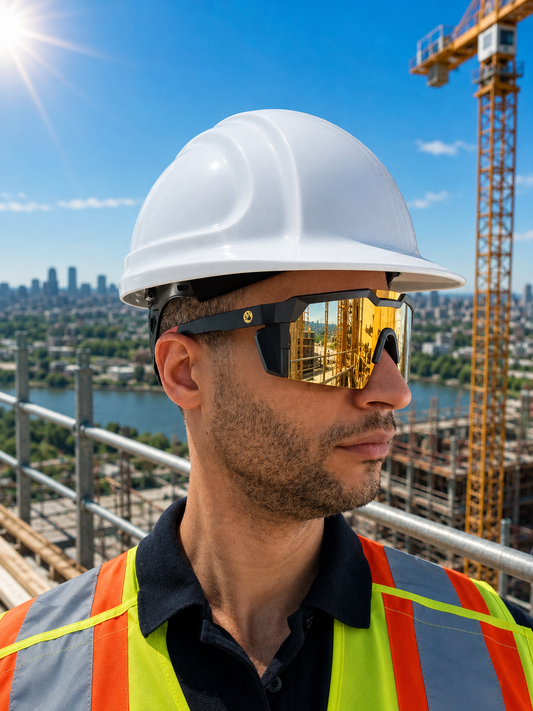
- Kopfschutz (Schutzhelme);
- Auge und Gesichtsschutz;
- Handschutz;
- Fußschutz;
- Gehörschutz;
- Absturzsicherungsausrüstung.
Grundprinzip:
PPE ist die letzte Verteidigungslinie – nicht die primäre Methode zur Gefahrenkontrolle.
📌 OSHA PPE Übersicht:
https://www.osha.gov/personal-protective-equipment
Pflichten des Arbeitgebers gemäß OSHA
Arbeitgeber müssen:
- Gefahren am Arbeitsplatz beurteilen;
- entsprechendes PPE bereitstellen;
- Schulung der Arbeitnehmer in sicheren Praktiken;
- die Ausrüstung in einem sicheren Zustand halten;
- Gewährleistung der Einhaltung geltender Standards;
- umsetzen Absturzsicherung wo erforderlich;
- Führen Sie Aufzeichnungen über Vorfälle und Schulungen (falls zutreffend).
Pflichten der Arbeitnehmer
Arbeitnehmer haben gemäß den OSHA-Grundsätzen auch Pflichten, darunter:
- PPE korrekt verwenden;
- Befolgung von Sicherheitsverfahren;
- Gefahren melden;
- Inspektion der Ausrüstung vor dem Gebrauch;
- Ablehnung unsicherer Arbeitsbedingungen, sofern gesetzlich geschützt.
OSHA und Dachdeckerarbeiten
Überdachung ist eine der am strengsten regulierten Arbeiten in der Höhe gemäß OSHA.
Zu den wichtigsten Anforderungen gehören:
- Absturzsicherung bei 6 Fuß oder mehr;
- Schutz in der Nähe von Dachkanten und Öffnungen;
- kontrollierter Zugang zu Dachflächen;
- ordnungsgemäße Verwendung der Leiter;
- Schulung zur Gefahrenerkennung.
📌 Übersicht über die Dachsicherheit:
https://www.osha.gov/roofing
OSHA und Solarinstallation
Solaranlage fällt unter Baunormen und kombiniert oft:
- Sturzgefahr auf Dächern;
- elektrische Gefahren (DC-Systeme);
- Risiken bei der Materialhandhabung;
- Witterungseinflüsse.
OSHA betont:
- Absturzsicherung jederzeit auf Dächern;
- elektrische Sicherheitspraktiken;
- richtige Auswahl PPE.
📌 OSHA elektrische Sicherheit:
https://www.osha.gov/electrical
OSHA und industrielle Stahlkonstruktionen
In Umgebungen wie Schiffbau, Brücken und industriellen Stahlgerüsten:
OSHA konzentriert sich auf:
- sicherer Zugang zu erhöhten Bauwerken;
- Prävention von rutscht aus und fällt;
- Schutz vor herabfallenden Gegenständen;
- ordnungsgemäße Montage- und Hebepraktiken;
- Verfahren zum Betreten geschlossener Räume.
Diese Regeln sind besonders relevant für Stahlindustrien, die nassen oder rutschigen Bedingungen ausgesetzt sind.
OSHA im Vergleich zu internationalen Standards
Während OSHA für die Vereinigten Staaten gilt, gibt es weltweit ähnliche Rahmenwerke:
| Region | Autorität |
|---|---|
| USA | OSHA |
| Großbritannien | HSE |
| Kanada | CCOHS |
| EU | EU-OSHA |
| Australien | Sichere Arbeit Australien |
📌 EU-OSHA: https://osha.europa.eu/
📌 HSE UK: https://www.hse.gov.uk/
Trotz regionaler Unterschiede bleiben die Grundprinzipien konsistent:
- Stürze nach Möglichkeit verhindern;
- Gefahren an der Quelle kontrollieren;
- Verwenden Sie PPE als letzten Ausweg.
- Arbeiter richtig ausbilden.
Wie OSHA eine Verbindung zu realen Arbeitsumgebungen herstellt
OSHA-Standards werden häufig angewendet in:
- Dachdeckerprojekte;
- Solaranlage;
- Werften;
- Seilzugangsarbeiten;
- Stahlbau;
- Industrielle Wartung.
In der Praxis definieren OSHA-Regeln die Mindestsicherheitsgrundlinie, während Unternehmen je nach Risikostufe häufig zusätzliche Schutzmaßnahmen ergreifen.
Wichtige Erkenntnisse
- OSHA definiert Mindestanforderungen an die Sicherheit am Arbeitsplatz in den USA.
- Im Bauwesen ist in Höhen von ca. 1,80 m Absturzsicherung erforderlich.
- PPE ist eine letzte Verteidigungslinie, nicht die primäre Kontrolle.
- Leitern, Dächer und erhöhte Flächen unterliegen strengen Vorschriften.
- Sowohl Arbeitgeber als auch Arbeitnehmer tragen gemeinsam die Verantwortung für die Sicherheit.
- OSHA-Prinzipien beeinflussen globale Sicherheitsstandards.
Referenzen
OSHA Offizielle Website
https://www.osha.gov/
OSHA Absturzsicherungsstandards
https://www.osha.gov/fall-protection
OSHA Geh-Arbeitsflächen
https://www.osha.gov/walking-working-surfaces
OSHA PPE Standards
https://www.osha.gov/personal-protective-equipment
OSHA Dachsicherheit
https://www.osha.gov/roofing
OSHA Elektrische Sicherheit
https://www.osha.gov/electrical
US-Arbeitsministerium – OSHA-Vorschriften
https://www.osha.gov/laws-regs
-
MagSteel™ Arbeitsstiefel
Normaler Preis $350.00 USDNormaler Preis -
MagSteel™ Flow Schuh
Normaler Preis $339.00 USDNormaler Preis -
Freihändige Sohlenabdeckung
Normaler Preis $50.00 USDNormaler Preis -
Neo Carbon : Sicherheitssonnenbrille Z87
Normaler Preis $65.00 USDNormaler Preis -
Neo Steel : Sicherheitssonnenbrille Z87
Normaler Preis $75.00 USDNormaler Preis