Dachsicherheit
Vollständiger Leitfaden für professionelle Dachdecker
Dachdecker ist einer der körperlich anspruchsvollsten und gefährlichsten Berufe in der Baubranche.
Jeden Tag arbeiten Dachdecker in der Höhe, oft an steilen Hängen und auf exponierten Oberflächen, während sie schwere Materialien tragen und Elektrowerkzeuge verwenden. Wetterbedingungen, sich ändernde Dachkonstruktionen und enge Projektzeitpläne erhöhen die Komplexität zusätzlich.
Eine sichere Dachdeckerarbeit erfordert mehr als nur persönliche Schutzausrüstung. Es kommt auf Planung, Gefahrenerkennung, geeignete Ausrüstung, Schulung der Arbeitnehmer und eine starke Sicherheitskultur an.
Dieser Leitfaden bietet einen Überblick über die wichtigsten Gefahren, denen Dachdecker ausgesetzt sind, und die praktischen Maßnahmen, die dazu beitragen, das Risiko während eines Projekts zu reduzieren.

Die Arbeitsumgebung des Dachdeckers verstehen
Im Gegensatz zu vielen Bauberufen führen Dachdecker fast alle Arbeiten auf erhöhten und exponierten Flächen durch.
Typische Arbeitsorte sind:
- Wohnhäuser;
- Gewerbebauten;
- Industrieanlagen;
- Lagerhäuser;
- landwirtschaftliche Gebäude;
- Schulen;
- Krankenhäuser;
- öffentliche Infrastruktur.
Dachdeckerarbeiten bergen häufig mehrere Gefahren gleichzeitig und erfordern von den Arbeitern eine kontinuierliche Beurteilung der sich ändernden Bedingungen.
Die größten Gefahren für Dachdecker
Dachdecker sind bei Montage-, Wartungs-, Reparatur- und Inspektionsarbeiten verschiedensten Gefahren ausgesetzt.
Zu den häufigsten gehören:
- fällt aus großer Höhe;
- rutschige Dachflächen;
- Witterungseinflüsse;
- Leiterunfälle;
- herabfallende Gegenstände;
- Verletzungen durch manuelle Handhabung;
- Augenverletzungen;
- Schnitte und Einstiche;
- Hitzestress;
- elektrische Gefahren.
Jede Gefahr sollte durch eine umfassende Risikobewertung vor Beginn der Arbeiten angegangen werden.
Arbeiten in der Höhe
Das Arbeiten in der Höhe ist das prägende Merkmal des Dachdeckerhandwerks.
Dachdecker arbeiten häufig:
- in der Nähe von Dachkanten;
- um Oberlichter herum;
- neben Dachöffnungen;
- an steilen Hängen;
- über fragilen Dachabschnitten.
Wann immer Sturzgefahr vorhanden, angemessen Absturzsicherung Maßnahmen sollten umgesetzt werden.
Eine gute Planung sollte Folgendes identifizieren:
- Ankerstandorte;
- Zugangswege;
- Rettungsverfahren;
- Sperrzonen.
Dachoberflächenbedingungen
Der Zustand der Dachoberfläche ändert sich ständig.
Traktion kann beeinträchtigt sein durch:
- Regen;
- Morgentau;
- Frost;
- Staub;
- loses Granulat;
- Blätter;
- Bauschutt.
Metalldächer sehen anders aus Traktionsherausforderungen als Asphaltschindeln, Ziegel oder Membrandachsysteme.
Arbeiter sollten die Oberflächenbedingungen den ganzen Tag über bewerten, nicht nur vor Arbeitsbeginn.
Wetter- und Umweltbedingungen
Dachdecker verbringen einen Großteil ihres Arbeitstages im Freien.
Die Wetterbedingungen können sich schnell ändern und die Sicherheit erheblich beeinträchtigen.
Wichtige Überlegungen sind:
Hitze
Hohe Temperaturen können dazu beitragen:
- Dehydration;
- Müdigkeit;
- verminderte Konzentration;
- hitzebedingte Erkrankung.
Wind
Starke Winde können Folgendes beeinträchtigen:
- Arbeitnehmerbilanz;
- Handhabung von Dachplatten;
- Leiterstabilität;
- Materialhebevorgänge.
Regen und Feuchtigkeit
Gleichmäßig leicht Feuchtigkeit kann die Traktion auf vielen Dachmaterialien verringern.
Bei den Arbeitsplänen sollten sich ändernde Wetterbedingungen berücksichtigt werden.
Sonnenlicht und UV-Belastung
Langfristige Einwirkung von ultravioletter Strahlung kann das Risiko von Hauterkrankungen erhöhen Augenschäden.
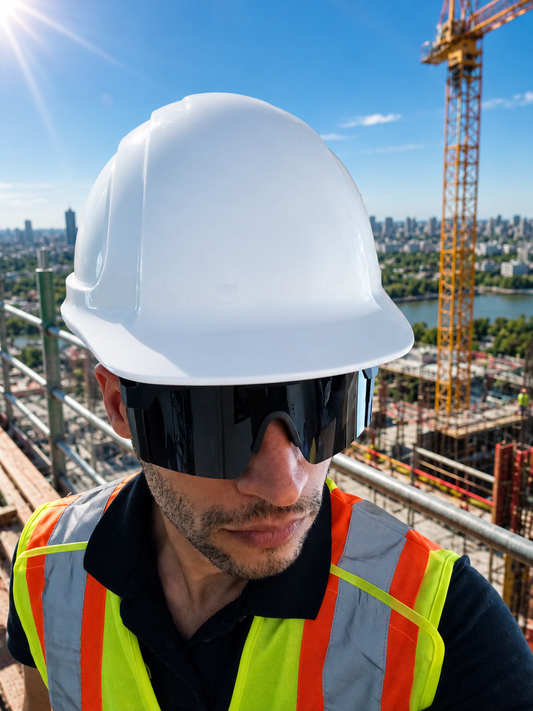
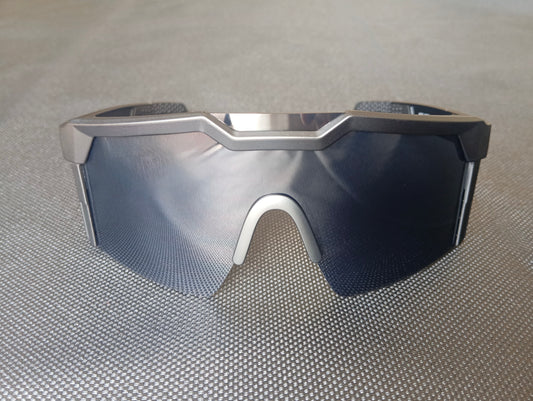
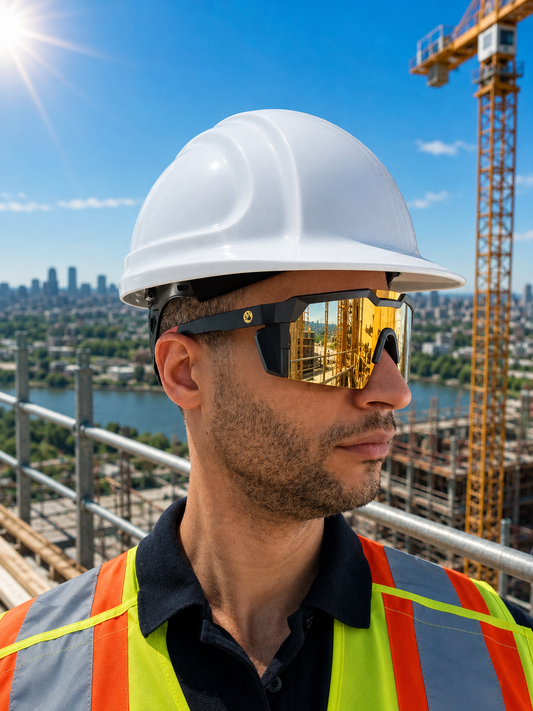
Schutzkleidung, Sonnenschutzmittel usw UV-Schutzbrille tragen dazu bei, die kumulative Exposition zu reduzieren.
Sicherer Zugang zum Dach
Viele Dachdeckerunfälle ereignen sich, bevor mit den Dacharbeiten überhaupt begonnen wurde.
Der sichere Zugang umfasst:
- richtig positionierte Leitern;
- sicherer Leiterstand;
- stabile Zugangspunkte;
- klare Kletterwege;
- kontrollierter Materialtransport.
Arbeiter sollten beim Besteigen von Leitern drei Kontaktpunkte einhalten.
Materialhandhabung
Dachdecker ziehen regelmäßig um:
- Gürtelrose;
- Isolierung;
- Metallplatten;
- Werkzeuge;
- Befestigungselemente;
- Solaranlagen.
Die Reduzierung von Verletzungen durch manuelle Handhabung kann Folgendes umfassen:
- mechanische Hebegeräte;
- Kräne;
- Materialaufzüge;
- Teamheben;
- sorgfältige Arbeitsplanung.
Eine ordnungsgemäße Lagerung auf dem Dach trägt außerdem dazu bei, Stolperfallen und herabfallende Gegenstände vorzubeugen.
Elektrowerkzeuge und Geräte
Beim Dachdecken geht es oft um:
- Nagelpistolen;
- Schleifmaschinen;
- Bohrer;
- Schneidwerkzeuge;
- Metallscheren;
- Wärmeschweißgeräte.
Für einen sicheren Betrieb ist Folgendes erforderlich:
- regelmäßige Geräteinspektion;
- Herstellerschulung;
- angemessene Bewachung;
- Augenschutz;
- Gehörschutz bei Bedarf.
Persönliche Schutzausrüstung (PPE)
Dachdecker benötigen oft mehrere Formen von PPE gleichzeitig.
Zur typischen Ausrüstung gehören:
- Schutzhelme;
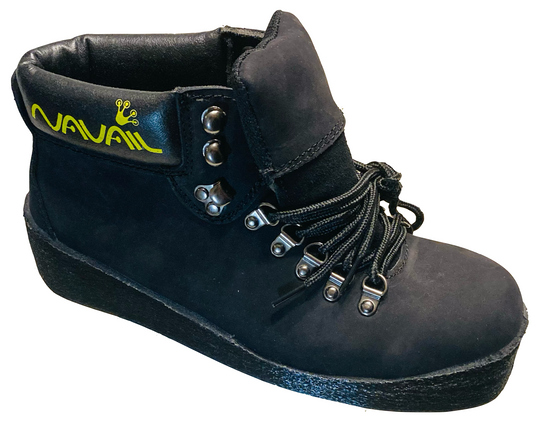
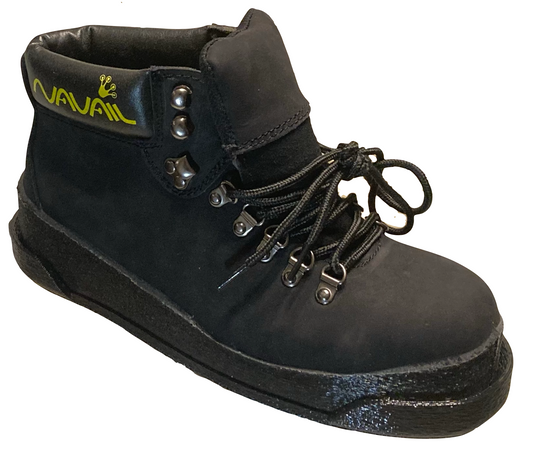
- Sicherheitsschuhe;
- Absturzsicherungsgurte;
- Augenschutz;
- Handschuhe;
- Warnkleidung;
- Gegebenenfalls Gehörschutz tragen.
PPE sollte Gefahrenbeseitigungs- und technische Kontrollen ergänzen – nicht ersetzen.
Dachmaterialien und ihre Sicherheitsherausforderungen
Unterschiedliche Dachsysteme bringen unterschiedliche Risiken mit sich.
Asphaltschindeln
- Loses Granulat kann die Traktion beeinträchtigen.
- Heiße Oberflächen im Sommer erhöhen die Hitzebelastung.
Metalldächer
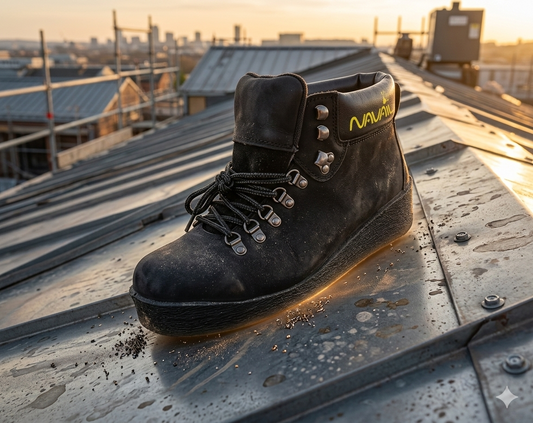
- Glatte Oberflächen können rutschig werden.
- Reflektiertes Sonnenlicht kann die Blendung verstärken.
- Scharfe Kanten erfordern schnittfeste Handschuhe.
Ziegeldächer
- Einzelne Fliesen können reißen oder sich verschieben.
- Unebene Laufflächen erhöhen die Instabilität.
Membrandächer
- Feuchtigkeit und Verunreinigungen können die Griffigkeit beeinträchtigen.
- Große offene Dachflächen erhöhen die Windbelastung.
Das Verständnis des Dachmaterials hilft den Arbeitern bei der Auswahl geeigneter Arbeitsmethoden und Ausrüstung.
Den Job planen
Sichere Dacheindeckungsprojekte beginnen, bevor die Arbeiter auf der Baustelle eintreffen.
Ein Arbeitsvorbereitungsplan sollte Folgendes berücksichtigen:
- Dachtyp;
- Zugriffsmethoden;
- Wettervorhersage;
- Absturzsicherungsstrategie;
- Notfallverfahren;
- Kommunikationsmethoden;
- Materialinszenierung;
- Rettungsfähigkeit.
Tägliche Sicherheitsunterweisungen tragen dazu bei, dass alle Arbeiter die sich ändernden Bedingungen vor Ort verstehen.
Notfallvorsorge
Jedes Dachprojekt sollte Verfahren für die Reaktion auf Notfälle beinhalten.
Die Planung sollte Folgendes berücksichtigen:
- fällt;
- medizinische Notfälle;
- Unwetter;
- elektrische Vorfälle;
- Feuer;
- Rettungseinsätze.
Arbeitnehmer sollten wissen:
- Notfallkontakte;
- Sammelplätze;
- Standorte der Rettungsausrüstung.
Sicherheitsschulung
Die Schulung sollte Folgendes umfassen:
- Gefahrenerkennung;
- Leitersicherung;
- Absturzsicherung;
- Geräteinspektion;
- Wetterbewusstsein;
- Notfallreaktion.
Regelmäßige Auffrischungsschulungen tragen zur Aufrechterhaltung sicherer Arbeitspraktiken bei.
Häufig gestellte Fragen
Was ist das größte Sicherheitsrisiko für Dachdecker?
Stürze aus der Höhe sind nach wie vor eine der Hauptursachen für schwere Verletzungen und Todesfälle bei Dacheindeckungen, weshalb Sturzprävention und Absturzsicherung unerlässlich sind.
Warum sind die Wetterbedingungen so wichtig?
Regen, Wind, Hitze, Frost und Sonneneinstrahlung können die Dachverhältnisse schnell verändern und das Unfallrisiko erhöhen.
Erfordern unterschiedliche Dachmaterialien unterschiedliche Sicherheitsmaßnahmen?
Ja.
Metall-, Ziegel-, Asphalt-, Schiefer- und Membrandachsysteme stellen jeweils einzigartige Gefahren dar, die sich auf die Auswahl der Ausrüstung und die Arbeitsmethoden auswirken.
Reicht PPE aus, um die Sicherheit von Dachdeckern zu gewährleisten?
Nein.
PPE ist Teil eines umfassenden Sicherheitsprogramms, das auch Planung, technische Kontrollen, Arbeiterschulung und sichere Arbeitsverfahren umfasst.
Wichtige Erkenntnisse
- Dachdecker vereinen mehrere Gefahren am Arbeitsplatz in einer einzigen Umgebung.
- Planung und Gefahrenbeurteilung sind vor Beginn der Arbeiten von entscheidender Bedeutung.
- Die Wetterbedingungen sollten den ganzen Tag über überwacht werden.
- Angemessener Zugang, Absturzsicherung und PPE reduzieren das Risiko.
- Unterschiedliche Dachmaterialien erfordern unterschiedliche Sicherheitsansätze.
- Eine starke Sicherheitskultur unterstützt die langfristige Verletzungsprävention.
Entdecken Sie verwandte Sicherheitsthemen
Weitere Informationen finden Sie in diesen detaillierten Leitfäden:
- Rutschige Metalldächer
- Stürzt aus großer Höhe
- Nasse Oberflächen
- Augenverletzungen
- Verbesserung der Traktion
- Absturzsicherungssysteme
- Magnetische Schuhe
- Schutzbrillen
Referenzen
Arbeitssicherheits- und Gesundheitsbehörde (OSHA) – Dachsicherheit
https://www.osha.gov/roofing
Arbeitsschutzbehörde (OSHA) – Absturzsicherung im Baugewerbe
https://www.osha.gov/fall-protection
Nationales Institut für Sicherheit und Gesundheitsschutz am Arbeitsplatz (NIOSH) – Rückgänge im Baugewerbe
https://www.cdc.gov/niosh/construction/topics/falls.html
National Roofing Contractors Association (NRCA) – Sicherheitsressourcen
https://www.nrca.net/
Kanadisches Zentrum für Gesundheit und Sicherheit am Arbeitsplatz (CCOHS) – Absturzsicherung
https://www.ccohs.ca/oshanswers/prevention/fallprotection/
Health and Safety Executive (UK) – Arbeiten auf Dächern
https://www.hse.gov.uk/construction/safetytopics/roofwork.htm
Safe Work Australia – Ressourcen zur Bausicherheit
https://www.safeworkaustralia.gov.au/
-
MagSteel™ Arbeitsstiefel
Normaler Preis $350.00 USDNormaler Preis -
MagSteel™ Flow Schuh
Normaler Preis $339.00 USDNormaler Preis -
Freihändige Sohlenabdeckung
Normaler Preis $50.00 USDNormaler Preis -
Neo Carbon : Sicherheitssonnenbrille Z87
Normaler Preis $65.00 USDNormaler Preis -
Neo Steel : Sicherheitssonnenbrille Z87
Normaler Preis $75.00 USDNormaler Preis