Sicherheit für Solarinstallateure
Ein vollständiger Leitfaden für PV-Fachleute auf dem Dach
Die Solarinstallation ist einer der am schnellsten wachsenden Branchen der Welt, angetrieben durch den globalen Übergang zu erneuerbaren Energien.
Die meisten Photovoltaik-Systeme (PV) werden auf Dächern installiert, was bedeutet, dass Solarinstallateure in Umgebungen arbeiten, die die Gefahren vereinen Dachdeckerarbeiten und elektrische Systeme.
Diese Kombination schafft ein einzigartiges Sicherheitsprofil, das spezielle Schulung, Ausrüstung und Planung erfordert.
Dieser Leitfaden beschreibt die wichtigsten Risiken, denen Solarinstallateure ausgesetzt sind, und die bewährten Methoden zur Verbesserung der Sicherheit bei der Installation und Wartung von PV.

Die Arbeitsumgebung für Solarinstallationen
Solarinstallateure arbeiten typischerweise in:
- Wohndächer;
- Gewerbebauten;
- Industrieanlagen;
- Lagerhäuser;
- große Solarparks (Freiflächenanlagen).
Dachinstallationen sind jedoch nach wie vor die am häufigsten vorkommende und risikoreichste Umgebung, da Arbeiten in der Höhe mit elektrischer Belastung einhergehen.
Solarinstallateure bewegen sich häufig zwischen:
- Dachzugangspunkte;
- Panel-Layoutzonen;
- elektrische Verbindungspunkte;
- Wechselrichterstandorte;
- Randzonen und Oberlichter.
Hauptgefahren für Solarinstallateure
Solarinstallationsarbeiten bergen mehrere sich überschneidende Gefahren.
Zu den bedeutendsten zählen:
- fällt von Dächern;
- rutschige oder unebene Dachflächen;
- Gefahr von Stromschlägen und Lichtbögen;
- UV-Strahlung;
- Verletzungen durch manuelle Handhabung;
- Werkzeugbedingte Verletzungen;
- Witterungseinflüsse (Hitze, Wind, Regen);
- herabfallende Gegenstände.
Da mehrere dieser Gefahren gleichzeitig auftreten, muss das Risikomanagement während der gesamten Arbeit kontinuierlich erfolgen.
Arbeiten in der Höhe an Solarprojekten
Die meisten Solaranlagen auf Dächern erfordern längere Arbeiten in der Höhe.
Installateure sind häufig Folgendem ausgesetzt:
- Dachkanten;
- Oberlichter;
- spröde Dachmaterialien;
- steile oder geneigte Dächer;
- erhöhte Gerätebereiche.
Wenn Absturzgefahr besteht, sind Absturzsicherungssysteme unerlässlich.
Zu den allgemeinen Kontrollen gehören:
- Persönliche Absturzsicherungssysteme;
- Absturzsicherungssysteme;
- Leitplanken;
- temporärer Kantenschutz;
- Ankersysteme.
Vor dem Betreten des Daches ist eine ordnungsgemäße Planung von entscheidender Bedeutung.
Herausforderungen bei der Dachoberfläche
Sonnenkollektoren werden auf einer Vielzahl von Dacharten installiert, darunter:
- Stehfalzdächer aus Metall;
- Wellblechdächer;
- Asphaltschindeln;
- Ziegeldächer;
- Membrandächer.
Jede Oberfläche weist unterschiedliche Traktionseigenschaften auf.
Metalldächer Insbesondere kann es rutschig werden durch:
- Tau oder Kondensation;
- Staub oder Bauschutt;
- steile Einbauwinkel;
- reflektierende Hitzebedingungen.
Installateure müssen Bewegungstechniken und PPE kontinuierlich an die Oberflächenbedingungen anpassen.
Elektrische Gefahren bei Solaranlagen
Im Gegensatz zu den meisten Dachdeckerarbeiten ist bei der Solarinstallation eine elektrische Belastung erforderlich.
Zu den Hauptrisiken gehören:
- Gleichstrom-Stromschlag durch stromführende Schalttafeln;
- Lichtbogenvorfälle;
- falsche Kabelverbindungen;
- beschädigte Kabel oder Anschlüsse;
- Stromkreise während der Installation.
Auch wenn die Systeme noch nicht vollständig in Betrieb genommen sind, können PV-Module bei Lichteinwirkung Strom erzeugen.
Zu den Sicherheitsmaßnahmen gehören häufig:
- Systemisolierung, wo möglich;
- isolierte Werkzeuge;
- richtig PPE;
- Lockout/Tagout-Verfahren;
- Schulung in elektrischen Sicherheitsstandards.
Absturzsicherung für Solarinstallateure
Absturzsicherung ist einer der kritischsten Aspekte der Sicherheit von Solaranlagen.
Installateure arbeiten oft:
- in der Nähe von Dachkanten beim Positionieren von Paneelen;
- beim Tragen schwerer Ausrüstung;
- beim Bewegen über große Dachflächen.
Zu den verwendeten Systemen gehören:
- Gurte mit Falldämpfern;
- horizontale Lebensadern;
- Dachankerpunkte;
- Absturzsicherungssysteme;
- Leitplanken für den Perimeterschutz.
Die sichersten Systeme sind solche, die den Kontakt mit Kanten verhindern, anstatt einen Sturz abzufangen.
Manuelle Handhabung und ergonomische Risiken
Solarmodule sind groß, starr und können schwer sein.
Zu den häufigsten ergonomischen Risiken gehören:
- Hebeverletzungen;
- unangenehme Körperhaltungen;
- wiederholte Belastung;
- Tragen von Lasten auf Leitern;
- Koordinationsprobleme beim Aufheben des Teams.
Um das Risiko zu verringern, können Installateure Folgendes verwenden:
- Hebezeuge;
- Plattenaufzüge;
- mechanische Bühnensysteme;
- koordinierte Teamlifte.
Eine gute Planung reduziert sowohl Ermüdung als auch das Unfallrisiko.
Wetter- und Umwelteinflüsse
Solarinstallateure arbeiten über längere Zeiträume im Freien.
Zu den Umweltrisiken gehören:
Hitzeeinwirkung
Dächer können extrem heiß werden, was das Risiko erhöht:
- Dehydration;
- Müdigkeit;
- Hitzeerschöpfung.
Wind
Wind beeinflusst:
- Gleichgewicht auf Dächern;
- Plattenhandhabung;
- Hebearbeiten.
UV-Strahlung
Solarinstallateure arbeiten häufig an zunehmend reflektierenden Oberflächen UV-Belastung.
Regen und Feuchtigkeit
Nasse Dächer Dies erhöht die Rutschgefahr erheblich und kann die Installationsarbeiten verzögern.
Sicherheit von Werkzeugen und Geräten
Für die Solarinstallation sind mehrere Werkzeuge erforderlich, darunter:
- Bohrer;
- Schlagschrauber;
- elektrische Tester;
- Schneidwerkzeuge;
- Plattenmontagesysteme.
Zu den Risiken gehören:
- Herunterfallen von Werkzeugen aus der Höhe;
- unsachgemäßer Werkzeuggebrauch;
- elektrische Exposition;
- Verletzungen durch wiederholte Belastung.
Werkzeuganbindungen werden häufig verwendet, um die Gefahr herabfallender Gegenstände zu verringern.
Synergie zwischen Solarinstallateuren und Dachdeckerarbeiten
Solarinstallateure sind häufig auf Dachkonstruktionen angewiesen und arbeiten daher mit ihnen zusammen Dachdecker wesentlich.
Zu den wichtigsten Überschneidungen gehören:
- gemeinsame Zugangspunkte zum Dach;
- ähnliche Absturzsicherungssysteme;
- ähnliche Oberflächengefahren;
- Koordination der Arbeitsbereiche;
- Wettereinschränkungen.
Solarinstallateure fügen jedoch eine elektrische Dimension hinzu, mit der Dachdecker normalerweise nicht konfrontiert sind.
Dies macht eine Solaranlage zu einem Hybriddisziplin zwischen Dachdecker- und Elektroarbeiten.
PPE für Solarinstallateure
Solarinstallateure benötigen in der Regel:
- Absturzsicherungsgurte;
- Sicherheitsschuhe;
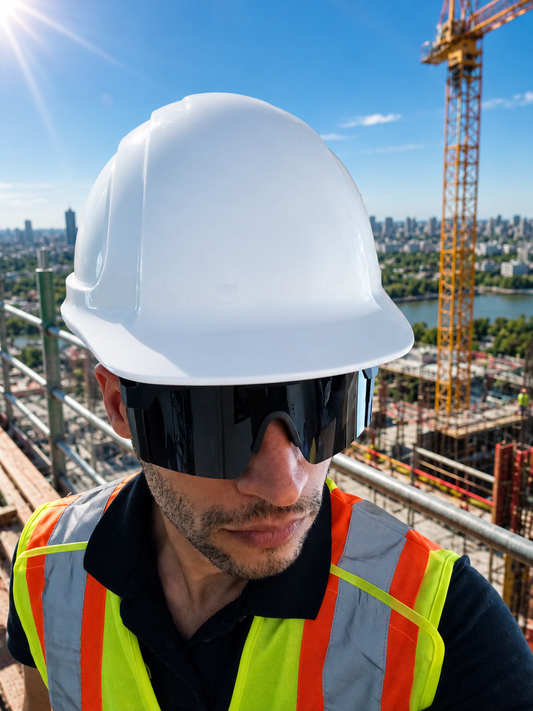
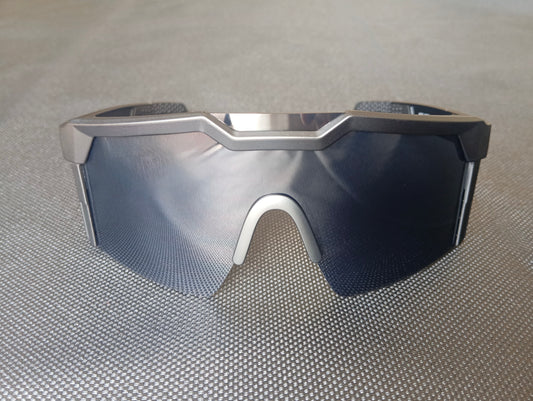
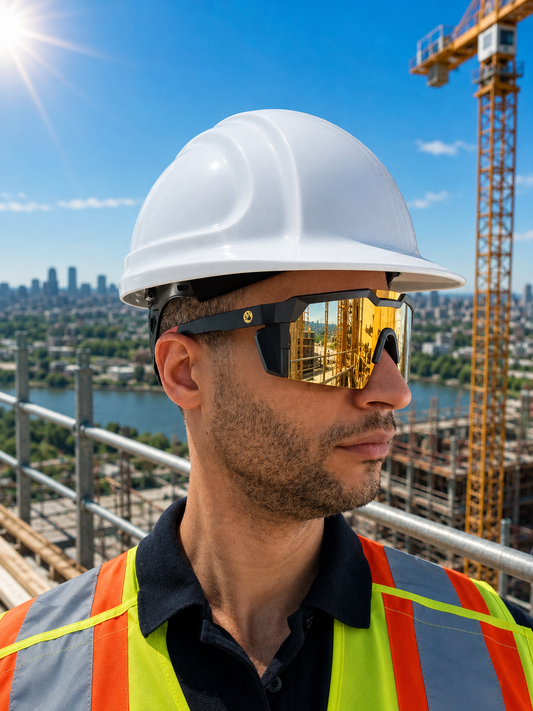
- UV-Schutzbrillen;
- Handschuhe mit Schnittschutz;
- Schutzhelme;
- Warnkleidung.
In vielen Fällen muss PPE sowohl mechanische als auch elektrische Sicherheitsanforderungen erfüllen.
Sicherheitsplanung für Solarprojekte
Zu den effektiven Solarinstallationsprojekten gehören:
- Dachbeurteilung vor der Installation;
- Analyse elektrischer Gefahren;
- Absturzsicherung Planung;
- Wetterauswertung;
- Materialinszenierungsstrategie;
- Rettungsplanung.
Bevor Arbeiter das Dach betreten, sollte eine Sicherheitsplanung erfolgen.
Notfallreaktion
Solaranlagenstandorte müssen auf Notfälle vorbereitet sein, wie zum Beispiel:
- fällt aus großer Höhe;
- elektrischer Schlag;
- hitzebedingte Krankheit;
- Werkzeugverletzungen.
Ein Rettungsplan sollte Folgendes definieren:
- Kommunikationsverfahren;
- Abrufmethoden;
- Notfallkontakte;
- zugewiesene Verantwortlichkeiten.
Schulungsanforderungen
Solarinstallateure sollten geschult sein in:
- Absturzsicherung Systeme;
- elektrische Sicherheit (DC-Systeme);
- Gefahrenbewusstsein auf Dächern;
- PPE Verwendung;
- Leitersicherung;
- Notfallmaßnahmen.
Die Schulungsanforderungen variieren je nach Land und rechtlichen Rahmenbedingungen.
Häufig gestellte Fragen
Warum gilt eine Solaranlage als risikoreich?
Weil es zwei große Gefahrenkategorien vereint: Arbeiten in der Höhe und elektrische Belastung.
Brauchen Solarinstallateure Absturzsicherungen?
Ja.
Die meisten Solaranlagen auf Dächern erfordern einen Absturzschutz, wenn eine Absturzgefahr besteht.
Sind Solarmodule gefährlich, wenn sie nicht angeschlossen sind?
Ja.
Auch wenn sie dem Sonnenlicht ausgesetzt sind, können sie Strom erzeugen.
Was ist die häufigste Verletzung bei Solaranlagen?
Stürzt aus großer Höhe Verletzungen durch manuelle Handhabung gehören zu den häufigsten Risiken.
Wichtige Erkenntnisse
- Solaranlagen vereinen Dächer und elektrische Gefahren.
- Stürzt aus großer Höhe bleiben das primäre Sicherheitsrisiko.
- Durch die elektrische Belastung entsteht ein besonderes Risiko, das bei herkömmlichen Dachdeckerarbeiten nicht auftritt.
- Wetterbedingungen großen Einfluss auf die Sicherheit haben.
- Eine ordnungsgemäße Planung und PPE sind für einen sicheren Betrieb unerlässlich.
- Die Solarinstallation ist eine hybride Disziplin, die eine spezielle Ausbildung erfordert.
Referenzen
Arbeitsschutzbehörde (OSHA) – Sicherheit von Solaranlagen
https://www.osha.gov/solar-energy
Nationales Institut für Sicherheit und Gesundheitsschutz am Arbeitsplatz (NIOSH) – Elektrische Sicherheit
https://www.cdc.gov/niosh/topics/electrical/
Internationale Agentur für erneuerbare Energien (IRENA) – Solar PV Sicherheit
https://www.irena.org/
Solar Energy Industries Association (SEIA) – Sicherheitsressourcen
https://www.seia.org/
Kanadisches Zentrum für Gesundheit und Sicherheit am Arbeitsplatz (CCOHS) – Elektrische Sicherheit
https://www.ccohs.ca/oshanswers/safety_haz/electrical.html
Health and Safety Executive (UK) – Elektrizität am Arbeitsplatz
https://www.hse.gov.uk/electricity/
Safe Work Australia – Elektro- und Bausicherheit
https://www.safeworkaustralia.gov.au/
-
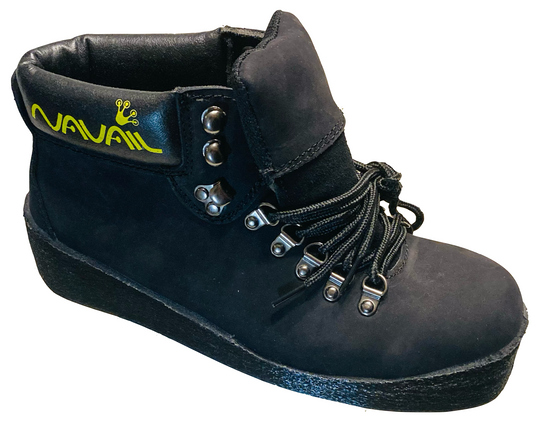
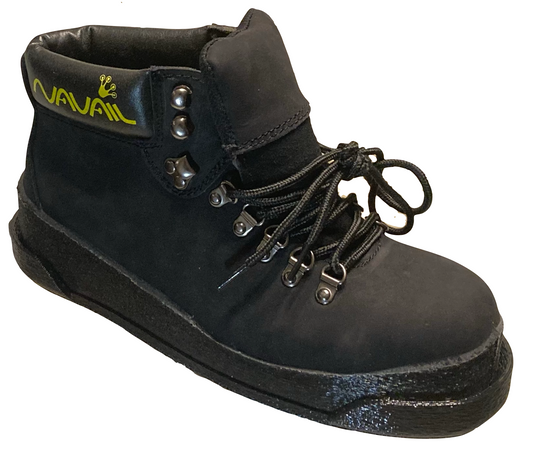
MagSteel™ Arbeitsstiefel
Normaler Preis $350.00 USDNormaler Preis -
MagSteel™ Flow Schuh
Normaler Preis $339.00 USDNormaler Preis -
Freihändige Sohlenabdeckung
Normaler Preis $50.00 USDNormaler Preis -
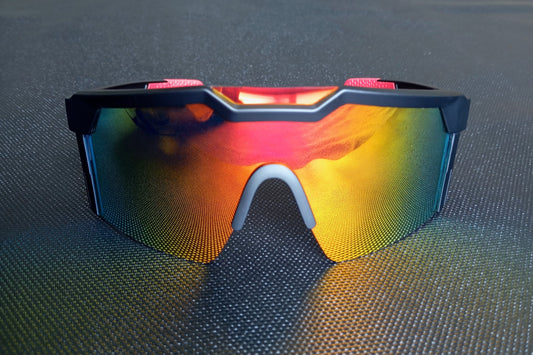
Neo Carbon : Sicherheitssonnenbrille Z87
Normaler Preis $65.00 USDNormaler Preis -
Neo Steel : Sicherheitssonnenbrille Z87
Normaler Preis $75.00 USDNormaler Preis