Sicherheit beim Seilzugang
Industrielles Klettern für Umgebungen mit hohem Risiko
Seilzugang ist eine spezielle Methode für Arbeiten in der Höhe, bei der Seile, Gurte und Klettertechniken eingesetzt werden, um schwierige oder gefährliche Orte zu erreichen.
Es wird häufig in Branchen eingesetzt, in denen herkömmliche Zugangsmethoden wie Gerüste, Aufzüge oder Plattformen unpraktisch oder zu kostspielig sind.
Anders als allgemein Absturzsicherung Systeme, Seilzugang ist ein engagierte Arbeitsweise, nicht nur ein Sicherheits-Backup.
In diesem Leitfaden wird erläutert, wie der Seilzugang funktioniert, welche Risiken damit verbunden sind und welche Systeme eingesetzt werden, um die Sicherheit der Techniker bei komplexen Industrievorgängen zu gewährleisten.

Was ist Seilzugang?
Seilzugang ist ein System, das geschulten Technikern Folgendes ermöglicht:
- Auf- und Abstieg von Bauwerken mithilfe von Seilen;
- sich am Arbeitsplatz genau positionieren;
- Inspektionen, Wartungsarbeiten oder Reparaturen durchführen;
- Arbeiten in großen Höhen oder auf engstem Raum.
Es basiert auf der Verwendung von zwei unabhängige Seilsysteme:
- ein Arbeitsseil;
- ein Sicherungsseil (Sicherheitsseil).
Diese Redundanz ist ein Kernprinzip der Seilzugangssicherheit.
Wo seilunterstützter Zugang verwendet wird
Seilzugang wird in Umgebungen eingesetzt, in denen der Zugang schwierig oder gefährlich ist, darunter:
- Hochhäuser;
- Brücken und Infrastruktur;
- Windkraftanlagen;
- Offshore-Öl- und Gasplattformen;
- Industrieschornsteine und -türme;
- Dämme und Wasserkraftwerke;
- Schiffsrümpfe und maritime Strukturen;
- Stadien und große architektonische Strukturen.
Dies ist besonders wertvoll, wenn Ausfallzeiten minimiert werden müssen.
Warum Seilzugang anstelle von Gerüsten verwendet wird
Im Vergleich zu Gerüsten oder mechanischen Zugangssystemen bietet der Seilzugang:
- schnellerer Auf- und Abbau;
- reduzierte Kosten für Kurzarbeit;
- minimale Betriebsunterbrechung;
- Zugang zu komplexen Geometrien;
- hohe Mobilität für Techniker.
Allerdings sind dafür hochqualifiziertes Personal und strenge Sicherheitsprotokolle erforderlich.
Grundprinzipien der Seilzugangssicherheit
Die Sicherheit des Seilzugangs beruht auf mehreren Grundprinzipien:
1. Redundanz
Jeder Techniker ist an mindestens zwei unabhängige Systeme angeschlossen:
- Arbeitslinie;
- Backup-Leitung.
2. Ausfallsicheres Design
Fällt ein System aus, verhindert das andere einen Sturz.
3. Kontinuierliche Verbindung
Die Techniker bleiben jederzeit verbunden.
4. Kompetentes Personal
Nur zertifizierte Techniker dürfen Seilzugangsarbeiten durchführen.
5. Kontrollierte Verfahren
Alle Bewegungen und Vorgänge folgen strengen Protokollen.
Stahlkonstruktionen und hybride Zugangsumgebungen
Viele Seilzugangsarbeiten finden auf oder in der Nähe statt große Stahlkonstruktionen, wo Techniker wechseln können zwischen:
- Leitern und Stahltürme
- Brückenträger und Inspektionspunkte
- Gehwege für Offshore-Plattformen
- Schiffsrümpfe und Trockendockoberflächen
- Industriegerüste und Pylone
Während Seilsysteme primären Absturzschutz bieten, müssen Techniker dies häufig noch tun Bewegen Sie sich während der Einrichtungs-, Zugangs- oder Neupositionierungsphase über freiliegende Stahloberflächen.
Diese Umgebungen kombinieren:
- Höhenbelichtung
- schmale Laufflächen
- Variable Oberflächenbedingungen (nasser, öliger, salziger oder beschichteter Stahl)
- häufiges Anbringen und Wiederanbringen von Seilsystemen
- Tragen von Werkzeugen und Geräten
In diesen Situationen Boden- oder Oberflächentraktion wird zu einem sekundären, aber wichtigen Sicherheitsfaktor Unterstützung kontrollierter Bewegung.
Traktionsherausforderungen an Stahlkonstruktionen
Stahloberflächen, die in industriellen Umgebungen verwendet werden, weisen häufig eine verminderte Griffigkeit auf, weil:
- glatte oder lackierte Oberflächen
- Korrosionsschutzbeschichtungen (Verzinkung, Epoxidharz)
- Feuchtigkeit, Kondensation oder Salzeinwirkung
- Öl oder Industrierückstände
- steile oder geneigte Geometrien
Selbst bei Seilzugangsarbeiten können diese Bedingungen das Risiko erhöhen:
- Verrutschen während des Rigging-Aufbaus
- Instabilität beim Ankeranflug
- vermindertes Vertrauen beim Bewegen ohne volle Seillast
- Fußplatzierungsfehler bei Übergängen
Rolle der verbesserten Traktion im Seilzugangskontext
Seilzugangssysteme sollen Stürze durch Redundanz und kontinuierliche Befestigung verhindern. Allerdings verlassen sich Techniker immer noch darauf sichere Bewegung, auch wenn das Seilsystem nicht vollständig belastet ist.
In diesen Momenten, traktionssteigernde Lösungen kann unterstützen:
- kontrollierte Bewegung während der Einrichtungsphasen
- verbesserte Stabilität beim Umgang mit Geräten
- Reduzierte Mikrorutsche auf Stahlstegen
- bessere Balance auf schmalen Balken oder Trägern
Dies ist besonders relevant in Umgebungen, in denen:
- Die Bewegung ist repetitiv und von langer Dauer
- Oberflächen ausgesetzt sind Wetter
- Techniker arbeiten in Teams und wechseln häufig ihre Positionen
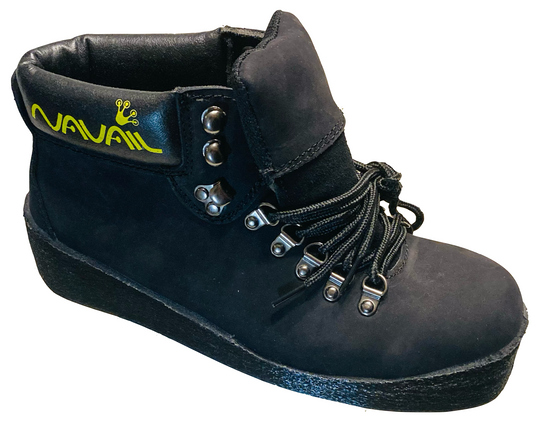
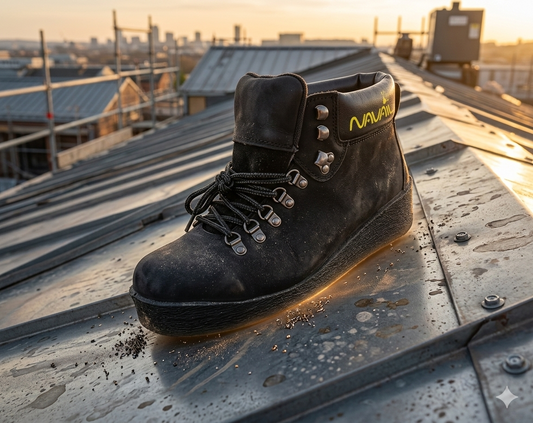
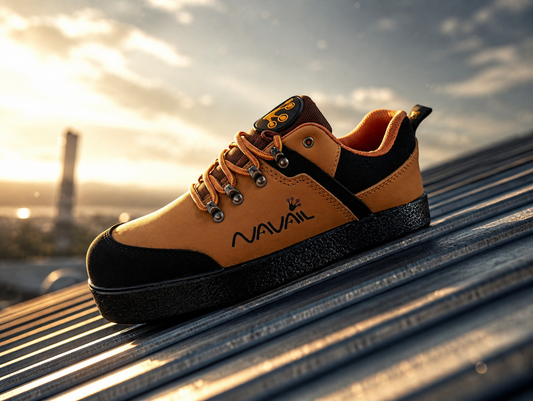
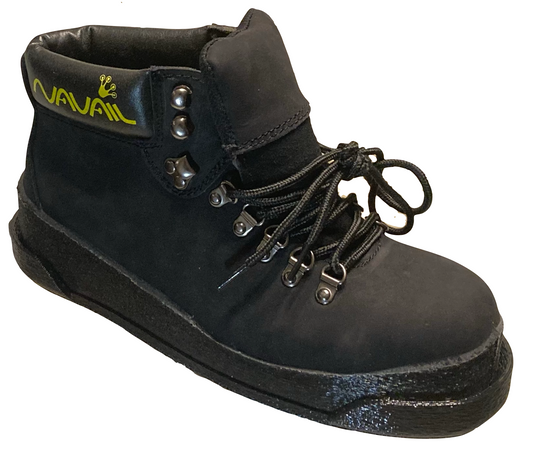
Magnetisches Schuhwerk in Umgebungen mit Stahlseilzugang
Auf ferromagnetischen Stahlkonstruktionen wie vielen:
- Offshore-Plattformen
- Schiffsrümpfe und Decks
- Stahlbrücken
- Industrietürme und Gerüste
magnetisches Schuhwerk bieten kann zusätzliche Kontaktkraft zwischen Stiefel und Stahloberfläche.
Im Gegensatz zu herkömmlichen Traktionssystemen, die nur auf Reibung basieren, magnetisches Schuhwerk stellt eine vor zusätzliche Normalkraftkomponente, was dazu beitragen kann:
- verbesserte Stabilität bei statischer Positionierung
- reduziertes Risiko von Gleiten auf glatten Stahloberflächen
- sichererer Stand bei Übergängen zwischen Ankerpunkten
- mehr Sicherheit beim Tragen von Werkzeugen oder Geräten
Wichtige Sicherheitspositionierung
Magnetisches Schuhwerk ist kein Seilzugangssicherungssystem und ersetzt nicht:
- Doppelseilsysteme
- zertifizierte Gurte
- Absturzsicherungs- oder Sicherungsgeräte
- IRATA/SPRAT-Verfahren
Stattdessen kann es wie folgt verstanden werden:
a Werkzeug zur Verbesserung der Oberflächentraktion, das während stahlbasierter Bewegungsphasen in Seilzugangsumgebungen verwendet wird
Seine Relevanz ist am höchsten, wenn:
- Techniker sind nicht vollständig suspendiert
- Bewegung findet auf Stahlstegen oder -konstruktionen statt
- Bedingungen reduzieren die natürliche Reibung (nassbeschichtete oder steile Stahlflächen)
Kompatibilität mit Seilzugangsprinzipien
Die Seilzugangssicherheit basiert auf Redundanz und kontrollierter Befestigung. Jegliche Zusatzausrüstung darf Folgendes nicht beeinträchtigen:
- Seilbewegungssysteme
- Kabelbaumgeometrie
- Ankerübergänge
- Rettungsmaßnahmen
Deshalb, Schuhlösungen muss bleiben:
- leicht
- keine Beeinträchtigung von Seilsystemen
- kompatibel mit gegurteter Bewegung
- geeignet für sich wiederholende vertikale und horizontale Übergänge
Andere Seilzugangsgeräte
Seilzugangssysteme umfassen typischerweise:
- dynamische und statische Seile;
- Ganzkörpergurte;
- Unterlängen;
- Aufsteiger;
- Sicherungsgeräte (Absturzsicherungen);
- Anker und Takelagesysteme;
- Helme mit Kinnriemen;
- Verbindungsstücke und Karabiner.
Jede Komponente muss strenge Zertifizierungsstandards erfüllen.
Schulung und Zertifizierung
Seilzugangstechniker müssen eine formelle Ausbildung absolvieren.
Das am weitesten verbreitete Zertifizierungssystem ist:
IRATA (International Rope Access Trade Association)
Techniker werden je nach Erfahrung auf verschiedenen Ebenen zertifiziert:
- Level 1: Techniker der Einstiegsklasse
- Stufe 2: fortgeschrittener Techniker
- Level 3: Supervisor und Rettungskoordinator
Weitere Informationen:
https://irata.org/
Weitere Zertifizierungssysteme sind:
- SPRAT (Gesellschaft professioneller Seilzugangstechniker)
Die Ausbildung umfasst:
- Seilhandhabungstechniken;
- Rettungsverfahren;
- Ankersysteme;
- Geräteinspektion;
- Notfallreaktion;
- Gefahrenerkennung.
Risiken bei Seilzugangsarbeiten
Obwohl der Seilzugang streng kontrolliert wird, birgt er erhebliche Gefahren:
- Sturz aus großer Höhe beim Aufrüsten;
- Geräteausfall;
- Hängetrauma;
- fallengelassene Werkzeuge;
- Witterungseinflüsse;
- strukturelle Instabilität;
- menschliches Versagen bei Übergängen;
- Ermüdung bei langen Einsätzen.
Da Techniker für längere Zeit suspendiert sind, Ergonomie und Federungsmanagement sind wichtige Sicherheitsaspekte.
Hängetrauma
Eines der schwerwiegendsten Risiken beim Seilzugang ist ein Hängetrauma.
Dies kann passieren, wenn ein Arbeiter zu lange in einem Gurt hängt, wodurch möglicherweise die Blutzirkulation eingeschränkt wird.
Zu den Präventionsmaßnahmen gehören:
- regelmäßige Neupositionierung;
- Verwendung von Fußschlaufen oder Entlastungsgurten;
- schnelle Rettungsmaßnahmen;
- Suspendierungszeit möglichst minimieren.
Seilzugang vs. traditionelle Absturzsicherung
Seilzugang ist nicht einfach eine Erweiterung von Absturzsicherungssystemen.
| Funktion | Seilzugang | Absturzsicherungssysteme |
|---|---|---|
| Zweck | Arbeitsmethode | Sicherheitssystem |
| Bewegung | Kontrollierte vertikale/horizontale Bewegung | Begrenzte Bewegung |
| Ausrüstung | Seile + Geräte | Geschirr + Rettungsleinen |
| Redundanz | Doppelseilsystem | Einzelarretierungssystem |
| Trainingsniveau | Hohe Spezialisierung | Allgemeine Sicherheitsschulung |
Rettungssysteme im Seilzugang
Bei seilunterstützten Arbeiten ist die Rettungsfähigkeit zwingend erforderlich.
Rettungspläne müssen Folgendes umfassen:
- Selbstrettungsverfahren;
- assistierte Rettungstechniken;
- Evakuierungsmethoden;
- Koordination mit Bodenteams;
- Notfallkommunikationssysteme.
Von einem Seilzugangsteam wird immer erwartet, dass es in der Lage ist, einen hängenden Kollegen ohne fremde Hilfe zu retten.
Wetter- und Umwelteinschränkungen
Seilzugangsarbeiten sind sehr wetterempfindlich.
Der Betrieb kann aus folgenden Gründen eingeschränkt oder ausgesetzt werden:
- starker Wind;
- Blitzrisiko;
- starker Regen;
- Eisbildung;
- extreme Temperaturen.
Wind ist besonders kritisch, da er die Stabilität beim Aufhängen beeinträchtigt.
Werkzeugsicherheit im Seilzugang
Techniker arbeiten oft hängend mit Werkzeugen.
Zu den häufigsten Risiken gehören:
- fallenlassen von Werkzeugen;
- Verfangen des Werkzeugs in Seilen;
- unkontrollierte Bewegung beim Bohren oder Schneiden.
Schadensbegrenzungsmaßnahmen:
- Schlüsselbänder für Werkzeuge;
- sichere Befestigungssysteme;
- leichte Werkzeugauswahl;
- kontrollierte Arbeitspositionierung.
Industrielle Anwendungen
Seilzugang wird häufig verwendet in:
- Wartung von Windkraftanlagen;
- Offshore-Energieplattformen;
- Strukturprüfung von Brücken;
- Fassadenreinigung und -pflege;
- Industrieinspektion (Tanks, Schornsteine);
- Wartung von Telekommunikationstürmen;
- Inspektion von Wasserkraftwerken.
Diese Umgebungen vereinen häufig Höhe, Komplexität und eingeschränkten Zugang.
PPE für Seilzugangstechniker
Der Standard PPE umfasst:
- zertifizierte Gurtsysteme;
- Helme mit Kinnriemen;
- Handschuhe, die für die Seilhandhabung geeignet sind;
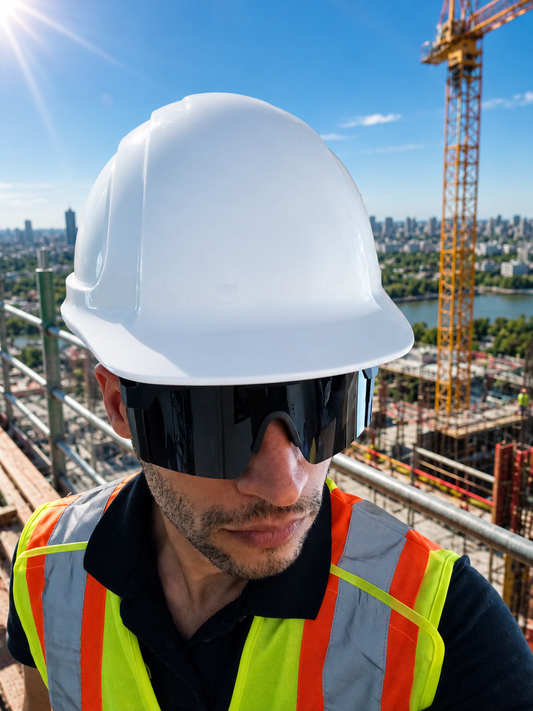
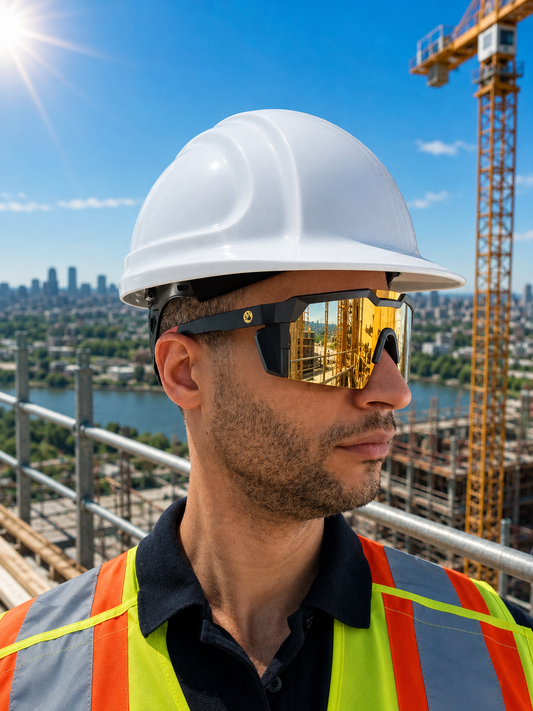
- Schutzbrillen;
- angemessenes Schuhwerk;
- wetterfeste Kleidung.
Abhängig von der Branche (Chemie, Elektrik, Offshore) können zusätzliche PPE erforderlich sein.
Inspektion und Gerätewartung
Seilzugangsgeräte müssen überprüft werden:
- vor jedem Gebrauch;
- nach jeder Stoßbelastung;
- regelmäßig durch eine sachkundige Person;
- nach Herstellervorgaben.
Beschädigte Geräte müssen sofort außer Betrieb genommen werden.
Häufig gestellte Fragen
Ist der Seilzugang sicher?
Bei ordnungsgemäßer Schulung und Durchführung unter strengen Verfahren gilt der Seilzugang als eine der sichersten Methoden für Arbeiten in der Höhe.
Was unterscheidet den Seilzugang vom Klettern?
Seilzugang ist ein kontrolliertes Industriesystem mit Redundanz, Zertifizierung und strengen Verfahren. Es ist kein Freizeitklettern.
Wie viele Seile werden verwendet?
Typischerweise zwei: ein Arbeitsseil und ein Sicherheitssicherungsseil.
Kann Seilzugang ein Gerüst ersetzen?
In vielen Fällen ja, insbesondere bei Inspektions- und Wartungsaufgaben, aber es hängt von den Projektanforderungen ab.
Wichtige Erkenntnisse
- Seilzugang ist eine professionelle industrielle Arbeitsmethode in der Höhe.
- Aus Sicherheitsgründen ist es auf die Doppelseilredundanz angewiesen.
- Nur zertifizierte Techniker dürfen Seilzugangsarbeiten durchführen.
- Rettungsfähigkeit ist jederzeit zwingend erforderlich.
- Die Wetterbedingungen wirken sich stark auf den Betrieb aus.
- Es wird häufig in der Windenergie-, Offshore- und Infrastrukturindustrie eingesetzt.
Referenzen
IRATA International – Seilzugangsstandards
https://irata.org/
SPRAT – Seilzugangszertifizierung
https://sprat.org/
Health and Safety Executive (UK) – Seilzugang und Arbeit in der Höhe
https://www.hse.gov.uk/work-at-height/
Arbeitsschutzbehörde (OSHA) – Absturzsicherung
https://www.osha.gov/fall-protection
Kanadisches Zentrum für Gesundheit und Sicherheit am Arbeitsplatz (CCOHS) – Arbeiten in der Höhe
https://www.ccohs.ca/oshanswers/prevention/working_at_heights/
Internationale Organisation für Normung (ISO 22846) – Seilzugangssysteme
https://www.iso.org/standard/51314.html
OSHA Geh-Arbeitsflächen
https://www.osha.gov/walking-working-surfaces
HSE Arbeiten in der Höhe
https://www.hse.gov.uk/work-at-height/
NIOSH fällt im Baugewerbe
https://www.cdc.gov/niosh/construction/topics/falls.html
Seilzugangssysteme nach ISO 22846
-
MagSteel™ Arbeitsstiefel
Normaler Preis $350.00 USDNormaler Preis -
MagSteel™ Flow Schuh
Normaler Preis $339.00 USDNormaler Preis -
Freihändige Sohlenabdeckung
Normaler Preis $50.00 USDNormaler Preis -
Neo Carbon : Sicherheitssonnenbrille Z87
Normaler Preis $65.00 USDNormaler Preis -
Neo Steel : Sicherheitssonnenbrille Z87
Normaler Preis $75.00 USDNormaler Preis