Gefahren durch nasse Oberflächen
Ausrutschen bei Nässe verstehen und verhindern
Wasser ist eine der häufigsten Ursachen für Ausrutschen und Haltverlust am Arbeitsplatz.
Regen, Kondenswasser, Schnee, Eis, Reinigungsarbeiten und Industrieprozesse können zu nassen Oberflächen führen, die das Unfallrisiko erhöhen.
Nässe beeinträchtigt viele Branchen, darunter das Baugewerbe, Überdachung, Herstellung, Wartung, Transport, Landwirtschaft, Marineeinsätze, und erneuerbare Energie.
Wenn Arbeiter verstehen, wie Feuchtigkeit die Oberflächenbedingungen verändert, können sie Gefahren erkennen und wirksame vorbeugende Maßnahmen ergreifen.

Warum nasse Oberflächen gefährlich werden
Eine trockene Oberfläche beruht auf der Reibung zwischen Schuhwerk und Lauffläche.
Beim Einbringen von Wasser kann eine dünne Flüssigkeitsschicht die verfügbare Reibung verringern.
Je nach Material kann Wasser als Gleitmittel wirken und so das Gleiten des Fußes erleichtern.
Mehrere Faktoren beeinflussen die Traktion:
- Oberflächenstruktur;
- Oberflächenmaterial;
- Schuheigenschaften;
- Verunreinigungen;
- Wassertiefe;
- Gehgeschwindigkeit.
Nicht alle nassen Oberflächen verhalten sich gleich.
Feuchtigkeitsquellen am Arbeitsplatz
Nasse Bedingungen sind nicht immer auf Regen zurückzuführen.
Zu den gängigen Quellen gehören:
Regen
Arbeitsbereiche im Freien werden während oder nach Niederschlägen häufig gefährlich.
Kondensation
Kalte Oberflächen können dazu führen, dass Feuchtigkeit aus der Luft kondensiert.
Kondensation betrifft häufig:
- Metallkonstruktionen;
- Industrieausrüstung;
- Dächer;
- Lagergebäude;
- landwirtschaftliche Einrichtungen.
Schnee und Eis schmelzen
Schmelzender Schnee führt häufig zu vorübergehender Rutschgefahr.
Wasser kann bei sinkenden Temperaturen wieder gefrieren.
Reinigungsarbeiten
Bei industriellen Reinigungs-, Hochdruckreinigungs- und Hygienemaßnahmen kann es zu nassen Laufflächen kommen.
Prozesswasser
Produktionsanlagen, Kühlsysteme und Industriebetriebe können Wasser auf Böden oder Arbeitsbereichen erzeugen.
Tau
Auch ohne Niederschlag kann sich auf exponierten Außenflächen frühmorgendliche Feuchtigkeit entwickeln.
Umweltfaktoren, die das Risiko erhöhen
Mehrere Bedingungen machen nasse Oberflächen gefährlicher.
Temperaturänderungen
Durch schnelle Temperaturschwankungen kann es zu Kondensation oder Eisbildung kommen.
Wind
Wind kann die Verdunstung beschleunigen, aber auch Feuchtigkeit transportieren.
Luftfeuchtigkeit
Hohe Luftfeuchtigkeit erhöht die Wahrscheinlichkeit von Kondensation.
Schatten und begrenzte Sonneneinstrahlung
Flächen, die wenig Sonnenlicht erhalten, bleiben oft länger nass.
Kondensation: Die unsichtbare Gefahr
Kondenswasser führt häufig zu Unfällen, da die Arbeiter es möglicherweise nicht erkennen.
Wenn warme, feuchte Luft mit einer kälteren Oberfläche in Kontakt kommt, entsteht Feuchtigkeit.
Dieses Phänomen tritt häufig auf:
- Stahlkonstruktionen;
- Dachpaneele;
- Metallstege;
- Panzer;
- Industrieausrüstung.
Die Oberfläche kann trocken erscheinen, bietet aber dennoch eine deutlich verringerte Traktion.
Arbeitnehmer sollten besonders vorsichtig sein bei:
- frühe Morgenstunden;
- saisonale Übergänge;
- feuchtes Wetter;
- Nachteinsätze.
Eisbildung und Gefrier-Tau-Zyklen
Wiederholtes Einfrieren und Auftauen führt zu unvorhersehbaren Oberflächenbedingungen.
Dünne Eisschichten können schwer zu erkennen sein.
Frost-Tau-Wechsel wirken sich häufig auf Folgendes aus:
- Laderampen;
- Außentreppen;
- Gerätebereiche auf dem Dach;
- Metallplattformen;
- erhöhte Gehwege.
Vorübergehendes Schmelzen während des Tages und anschließendes Gefrieren über Nacht können gefährliche Bedingungen schaffen.
Nasse Oberflächen in verschiedenen Branchen
Bau
Regen und Schlamm beeinträchtigen häufig Baustellen.
Temporäre Gehwege und unfertige Oberflächen können gefährlich sein.
Industrielle Wartung
Wasserlecks, Kühlsysteme und Prozessflüssigkeiten können zu Rutschgefahren führen.
Landwirtschaft
Kondensation in landwirtschaftlichen Gebäuden wirkt sich häufig auf Metallböden und Geräte aus.
Marine- und Werftbetrieb
Gischt, Regen und Feuchtigkeit setzen Oberflächen ständig Feuchtigkeit aus.
Solar- und Energieindustrie
Outdoor-Ausrüstung wird häufig bei wechselnden Wetterbedingungen gewartet.
Lagerhaltung und Logistik
Verladerampen und Eingangsbereiche können aufgrund der Witterungseinflüsse nass werden.
Oberflächenmaterialien und Wasserverhalten
Verschiedene Materialien reagieren unterschiedlich auf Feuchtigkeit.
| Oberfläche | Nassleistung |
|---|---|
| Glatter Stahl | Arm |
| Lackiertes Metall | Schlecht bis mäßig |
| Beton | Mäßig |
| Strukturierter Beton | Gut |
| Gummimatten | Gut |
| Geriebener Stahl | Mäßig bis gut |
Die Oberflächenbeschaffenheit beeinflusst die Traktion bei Nässe häufig stärker als das Material selbst.
Arbeitsplatzkontrollen für nasse Bedingungen
Verbessern Sie die Entwässerung
Eine ordnungsgemäße Entwässerung verhindert stehendes Wasser.
Beispiele hierfür sind:
- Dachabläufe;
- Bodenschrägen;
- Entwässerungskanäle;
- Dachrinnensysteme.
Wasser sofort entfernen
Wasseransammlungen sollten schnell behoben werden.
Zu den Methoden gehören:
- Rakel;
- Pumpen;
- absorbierende Materialien;
- Entwässerungssysteme.
Verbessern Sie die Haushaltsführung
Wasser in Kombination mit Schmutz, Öl oder Ablagerungen kann die Traktion weiter verringern.
Regelmäßige Reinigung trägt zur Aufrechterhaltung sicherer Bedingungen bei.
Zugriff einschränken
Unter gefährlichen Bedingungen können vorübergehende Absperrungen und Warnschilder erforderlich sein.
Planen Sie die Arbeit angemessen
Einige Aufgaben können verschoben werden, bis sich die Bedingungen verbessern.
Wettervorhersagen können bei der Planung hilfreich sein.
Überlegungen zum Schuhwerk
Die Leistung von Schuhen kann bei Nässe erheblich variieren.
Wichtige Merkmale sind:
- Sohlenflexibilität;
- Gummimischung;
- Profilgeometrie;
- Kontaktfläche;
- Oberflächenverträglichkeit.
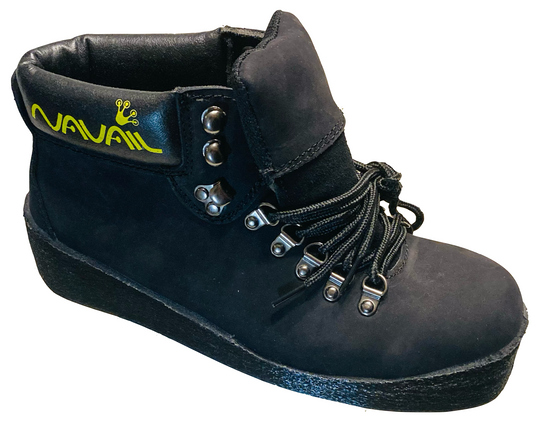
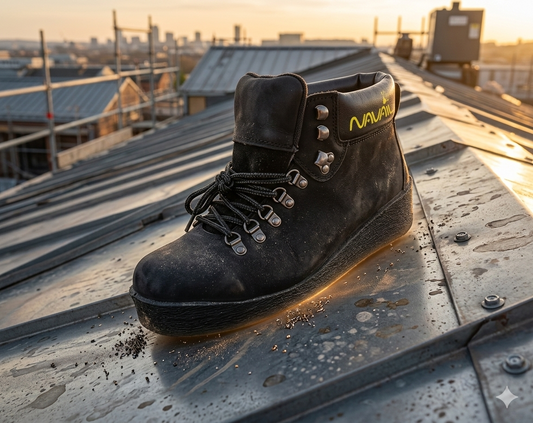
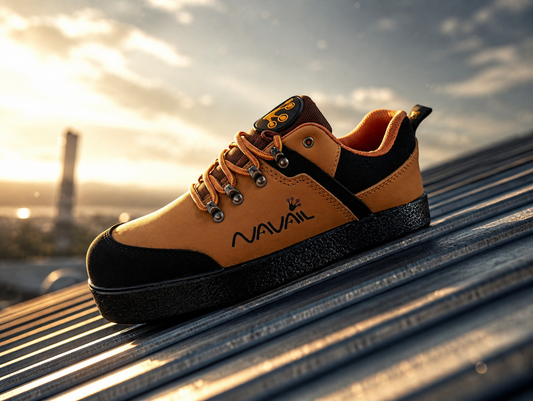
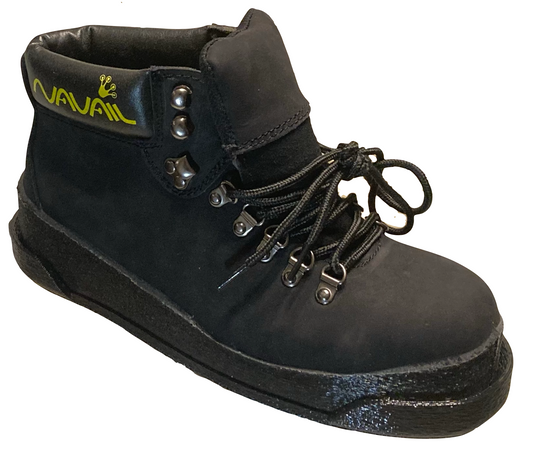
Arbeitsumgebungen mit Stahlpaneelen erfordern Magnetische Schuhtechnologien Entwickelt für Metalloberflächen.
Durch die Auswahl geeigneter Schuhe für die Arbeitsumgebung kann die Stabilität erheblich verbessert werden.
Risikobewertung für nasse Bedingungen
Vor Arbeitsbeginn sollten Arbeitnehmer Folgendes bewerten:
- Wetterbedingungen;
- Oberflächenmaterial;
- Feuchtigkeitsquelle;
- Entwässerungsbedingungen;
- Sichtbarkeit;
- verfügbare Ausrüstung.
Zu den zu stellenden Fragen gehören:
- Ist die Feuchtigkeit sichtbar?
- Können sich die Bedingungen während der Arbeiten ändern?
- Sind zusätzliche Kontrollen erforderlich?
- Ist eine Verschiebung der Arbeiten möglich?
Internationale Beratung
Viele Arbeitsschutzvorschriften verlangen von Arbeitgebern, Rutschgefahren zu erkennen und zu kontrollieren.
Risikobewertungen umfassen häufig:
- Umgebungsbedingungen;
- Hauswirtschaft;
- Arbeitsplatzgestaltung;
- Arbeiterschulung.
Prävention steht im Allgemeinen im Vordergrund gegenüber persönlicher Schutzausrüstung.
Häufig gestellte Fragen
Sind nasse Oberflächen immer gefährlich?
Nein.
Der Grad des Risikos hängt vom Untergrund, den Schadstoffen, dem Schuhwerk und den Umgebungsbedingungen ab.
Warum ist Kondensation gefährlich?
Kondensation kann schwer zu erkennen sein und die Traktion erheblich beeinträchtigen.
Ist Regen gefährlicher als Tau?
Nicht unbedingt.
Dünne Feuchtigkeitsfilme können manchmal weniger Traktion bieten als stärkere Wasseransammlungen.
Können Schuhe die Sicherheit auf nassen Oberflächen verbessern?
Ja.
Richtiges Schuhwerk kann die Stabilität und Traktion unter nassen Bedingungen verbessern.
Wichtige Erkenntnisse
- Wasser verringert die Traktion auf vielen Oberflächen.
- Kondensation ist eine häufig übersehene Gefahr.
- Feuchtigkeitsquellen reichen über den Regen hinaus.
- Die Oberflächenbeschaffenheit hat großen Einfluss auf die Rutschfestigkeit.
- Umweltbedingungen können das Risikoniveau schnell ändern.
- Richtige Planung und Oberflächenmanagement verbessern die Sicherheit.
Referenzen
Nationales Institut für Sicherheit und Gesundheitsschutz am Arbeitsplatz (NIOSH)
Ausrutscher, Stolperfallen und Stürze:
https://www.cdc.gov/niosh/topics/falls/
Verwaltung für Arbeitssicherheit und Gesundheitsschutz (OSHA)
Geh-Arbeitsflächen:
https://www.osha.gov/walking-working-surfaces
Kanadisches Zentrum für Gesundheit und Sicherheit am Arbeitsplatz
Ausrutscher, Stolperfallen und Stürze:
https://www.ccohs.ca/oshanswers/safety_haz/slips.html
Gesundheits- und Sicherheitsbeauftragter (Großbritannien)
Ausrutscher und Ausflüge:
https://www.hse.gov.uk/slips/
Sichere Arbeit Australien
Umgang mit dem Sturzrisiko:
https://www.safeworkaustralia.gov.au/doc/model-code-practice-managing-risk-falls-workplaces
Nationaler Sicherheitsrat
Ausrutschen, Stolpern und Stürze verhindern:
https://www.nsc.org/workplace/safety-topics/slips-trips-falls
-
MagSteel™ Arbeitsstiefel
Normaler Preis $350.00 USDNormaler Preis -
MagSteel™ Flow Schuh
Normaler Preis $339.00 USDNormaler Preis -
Freihändige Sohlenabdeckung
Normaler Preis $50.00 USDNormaler Preis -
Neo Carbon : Sicherheitssonnenbrille Z87
Normaler Preis $65.00 USDNormaler Preis -
Neo Steel : Sicherheitssonnenbrille Z87
Normaler Preis $75.00 USDNormaler Preis