Absturzsicherungssysteme
Schutz von Höhenarbeitern
Das Arbeiten in der Höhe ist in vielen Branchen ein wesentlicher Bestandteil Überdachung, Bau, Wartung, Versorgungsunternehmen, Schiffbau, und erneuerbare Energie.
Immer wenn Arbeitnehmer einem Potenzial ausgesetzt sind fallenArbeitgeber sollten geeignete Maßnahmen ergreifen, um die Wahrscheinlichkeit und Folgen eines Unfalls zu verringern.
Absturzsicherung ist kein einzelnes Gerät. Es handelt sich um eine Kombination aus Planung, technischen Kontrollen, sicheren Arbeitspraktiken und persönlicher Schutzausrüstung (PPE).
In diesem Leitfaden werden die wichtigsten Arten von Absturzsicherungssystemen erläutert, wann sie eingesetzt werden und wie sie zu sichereren Arbeitsplätzen beitragen.

Die Hierarchie der Absturzsicherung verstehen
Die effektivsten Sicherheitsprogramme folgen einer Hierarchie von Kontrollen.
Anstatt sich ausschließlich auf persönliche Schutzausrüstung zu verlassen, sollten Arbeitgeber zunächst Methoden in Betracht ziehen, die die Sturzgefahr ausschließen oder verringern.
Die Hierarchie folgt im Allgemeinen dieser Reihenfolge:
- Eliminieren Sie die Notwendigkeit, in der Höhe zu arbeiten.
- Ersetzen Sie nach Möglichkeit sicherere Arbeitsmethoden.
- Installieren Sie technische Steuerungen.
- Implementieren Sie administrative Kontrollen.
- Persönliche Schutzausrüstung verwenden.
Wann immer möglich, verhindern Sie a fallen ist besser als jemanden zu verhaften.
Passiver Absturzschutz
Passive Systeme schützen Arbeitnehmer, ohne dass individuelle Maßnahmen erforderlich sind.
Da sie immer vorhanden sind, tragen sie dazu bei, die Möglichkeit menschlicher Fehler zu verringern.
Beispiele hierfür sind:
- permanente Leitplanken;
- temporäre Leitplanken;
- Brüstungswände;
- Sicherheitsnetze;
- abgedeckte Bodenöffnungen;
- erhöhte Laufstege mit Kantenschutz.
Passive Systeme werden im Allgemeinen bevorzugt, sofern dies praktisch ist.
Leitplanken
Leitplanken bilden eine physische Barriere zwischen Arbeitern und Sturzgefahren.
Sie werden üblicherweise installiert:
- rund um Dachränder;
- auf erhöhten Plattformen;
- entlang von Gehwegen;
- um Dachöffnungen herum;
- auf Zwischengeschossen.
Richtig gestaltete Leitplanken verringern die Gefährdung, ohne die Mobilität der Arbeitnehmer einzuschränken.
Sicherheitsnetze
Sicherheitsnetze bieten kollektiven Schutz unter erhöhten Arbeitsbereichen.
Sie sind besonders nützlich, wenn:
- Leitplanken können nicht installiert werden;
- Arbeitnehmer ziehen häufig um;
- Mehrere Gewerke arbeiten gleichzeitig.
Sicherheitsnetze sollen die Verletzungsschwere bei einem Sturz verringern.
Aktive Absturzsicherungssysteme
Bei aktiven Systemen müssen die Arbeitnehmer persönliche Schutzausrüstung tragen und ordnungsgemäß verwenden.
Diese Systeme sind abhängig von:
- Ausbildung;
- korrekte Installation;
- regelmäßige Inspektion;
- ordnungsgemäße Wartung.
Persönliche Absturzsicherungssysteme (PFAS)
Ein persönliches Absturzsicherungssystem dient dazu, einen Arbeiter nach Beginn eines Sturzes sicher zu stoppen.
Ein vollständiges PFAS besteht typischerweise aus:
- ein Ganzkörpergurt;
- eine Verbindungsvorrichtung (Verbindungsmittel oder selbsteinziehendes Rettungsseil);
- ein Energieabsorber;
- ein Ankerpunkt.
Jede Komponente muss mit den anderen kompatibel sein und gemäß den Anweisungen des Herstellers verwendet werden.
Absturzsicherungssysteme
Absturzsicherungssysteme sollen verhindern, dass Arbeiter eine ungeschützte Kante erreichen.
Im Gegensatz zu Absturzsicherungssystemen sollen sie einen Sturz stoppen, bevor er passieren kann.
Diese Systeme schränken die Bewegungsfreiheit des Arbeiters durch eine richtig eingestellte Verbindung ein.
Wenn möglich, wird im Allgemeinen eine Absturzsicherung bevorzugt, da sie verhindert, dass man der Gefahr ausgesetzt wird.
Positionierungssysteme
Positionierungssysteme unterstützen den Arbeiter und lassen gleichzeitig beide Hände frei.
Sie werden häufig verwendet für:
- Stahlkonstruktion;
- Turmwartung;
- Versorgungsarbeiten;
- Industrielle Wartung.
Positionierungssysteme sind kein Ersatz für Absturzsicherungen, wenn a Sturzgefahr existiert.
Seilzugangssysteme
Der Seilzugang ermöglicht es geschulten Technikern, mithilfe spezieller Seilsysteme schwierige Stellen zu erreichen.
Typische Anwendungen sind:
- Fassadenpflege;
- Brückeninspektionen;
- Industrieanlagen;
- Offshore-Plattformen;
- Windkraftanlagen.
Der Seilzugang erfordert eine spezielle Ausbildung, Rettungsfähigkeiten und strenge Betriebsabläufe.
Ankerpunkte
Jedes Absturzsicherungssystem ist auf einen zuverlässigen Anker angewiesen.
Ankerpunkte können sein:
- dauerhaft;
- vorübergehend;
- dachmontiert;
- Baustahlbefestigungen;
- Konstruierte Rettungsleinenstützen.
Bei der Auswahl des Ankers sollte Folgendes berücksichtigt werden:
- strukturelle Kapazität;
- Standort des Arbeitnehmers;
- mögliche Swing-Stürze;
- Rettungszugang.
Ankersysteme sollten stets gemäß den geltenden Vorschriften und Herstelleranweisungen installiert und verwendet werden.
Horizontale und vertikale Lebensadern
Rettungsleinen ermöglichen es den Arbeitern, sich zu bewegen und gleichzeitig mit einem Ankersystem verbunden zu bleiben.
Horizontale Lebensadern
Diese Systeme ermöglichen Mobilität über Dächer, Brücken und große Arbeitsbereiche.
Sie sind besonders nützlich, wenn Arbeiter entlang einer Kante fahren müssen, ohne wiederholt die Verbindung zu trennen.
Vertikale Lebensadern
Vertikale Systeme werden häufig verwendet bei:
- Leitern;
- Türme;
- Masten;
- Windkraftanlagen;
- Einträge in engen Räumen.
Diese Systeme tragen zum Schutz der Arbeiter bei Kletterarbeiten bei.
Selbsteinziehende Rettungsleinen (SRLs)
Selbsteinziehende Rettungsleinen werden automatisch aus- und eingefahren, wenn sich der Arbeiter bewegt.
Im Vergleich zu herkömmlichen Schlüsselbändern haben HSS häufig Folgendes:
- Freifallstrecke reduzieren;
- Verbesserung der Mobilität;
- Spiel minimieren;
- erhöhen den Arbeitskomfort.
Eine ordnungsgemäße Inspektion und Wartung sind unerlässlich.
Rettungsplanung
Ohne einen Rettungsplan ist ein Absturzsicherungssystem unvollständig.
Arbeitgeber sollten Verfahren festlegen, bevor sie mit der Arbeit beginnen.
Ein Rettungsplan sollte Folgendes berücksichtigen:
- Kommunikationsmethoden;
- Rettungsausrüstung;
- Arbeiterabholung;
- medizinische Notfallhilfe;
- Verantwortlichkeiten jedes Teammitglieds.
Eine schnelle Rettung verringert das Risiko eines Hängetraumas und anderer Komplikationen.
Inspektion und Wartung
Absturzsicherungsausrüstung sollte überprüft werden:
- vor jedem Gebrauch;
- nach jedem Herbstereignis;
- gemäß Herstellerempfehlungen;
- bei planmäßigen Inspektionen durch Sachkundige.
Beschädigte Geräte sollten sofort außer Betrieb genommen werden.
Durch Unternehmensrichtlinien oder -vorschriften können Inspektionsaufzeichnungen erforderlich sein.
Arbeiterschulung
Für den sicheren Umgang mit Absturzsicherungssystemen ist eine Schulung unerlässlich.
Arbeitnehmer sollten Folgendes verstehen:
- Gefahrenerkennung;
- Einschränkungen der Ausrüstung;
- richtiges Anlegen der Gurte;
- Ankerauswahl;
- Inspektionsverfahren;
- Notfallreaktion.
Regelmäßige Auffrischungsschulungen tragen zur Stärkung sicherer Praktiken bei.
Auswahl der richtigen Absturzsicherungslösung
Keine einzelne Lösung ist für jeden Arbeitsplatz geeignet.
Die Auswahl hängt von Faktoren ab wie:
- Arbeitshöhe;
- Dachgestaltung;
- strukturelle Merkmale;
- Arbeitnehmermobilität;
- Wetterbedingungen;
- Dauer der Aufgabe;
- Rettungsfähigkeit.
Risikobewertungen sollten als Leitfaden für die Auswahl der Ausrüstung dienen.
Reduziert Ausrutscher
Bei den meisten Stürzen kommt es zu einem Ausrutschen, das nicht rechtzeitig gestoppt werden konnte. Um effektiv zu reduzieren RutschgefahrDie Verbesserung der Traktion ist der Schlüssel. Dies beinhaltet:
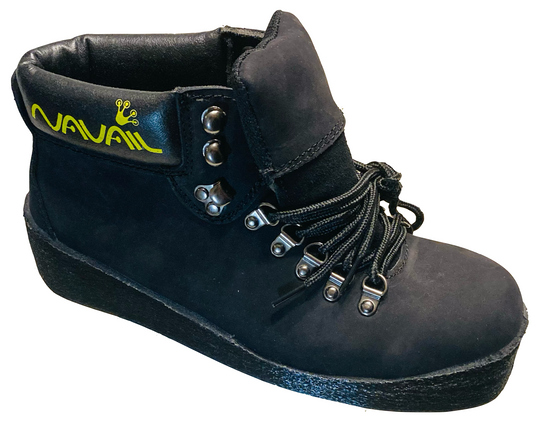
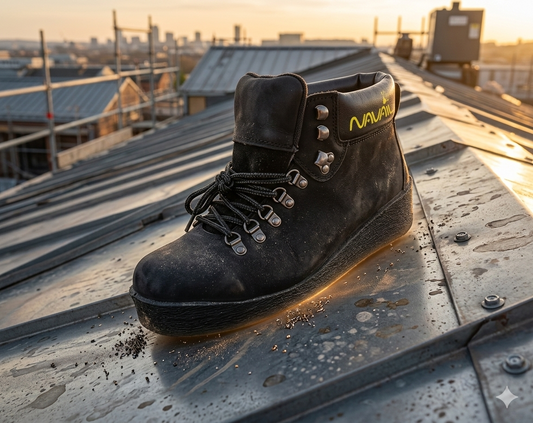
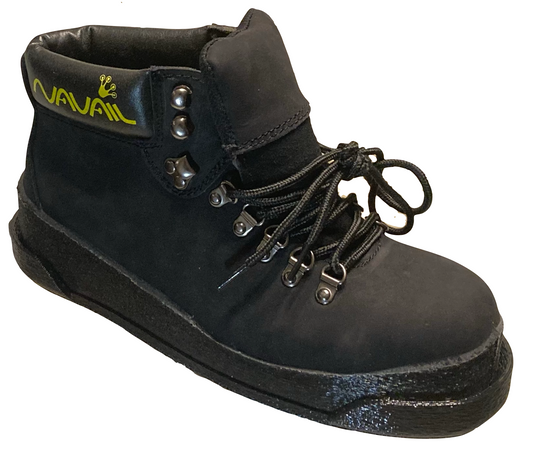
- Auswahl des richtigen Schuhwerks, vorzugsweise magnetisch wenn die Oberfläche aus Stahl oder Eisen besteht.
- Vermeiden Sie Eis, übermäßige Wasser- oder Ölverschmutzung
Häufig gestellte Fragen
Was ist der Unterschied zwischen Absturzsicherung und Absturzsicherung?
Ein Absturzrückhaltesystem verhindert, dass ein Arbeiter eine Absturzgefahr erreicht.
Ein Absturzsicherungssystem stoppt einen Arbeiter, nachdem ein Sturz begonnen hat.
Sind Leitplanken besser als Gurte?
Wann immer praktisch, werden Leitplanken im Allgemeinen bevorzugt, da sie passiven Schutz bieten und die Abhängigkeit von den Maßnahmen des Arbeiters verringern.
Wie oft sollte die Absturzsicherungsausrüstung überprüft werden?
Die Ausrüstung sollte vor jedem Gebrauch einer Sichtprüfung unterzogen und gemäß den Anweisungen des Herstellers und den geltenden Vorschriften regelmäßigen Inspektionen unterzogen werden.
Kann ein Ankerpunkt mehrere Mitarbeiter unterstützen?
Nur wenn es speziell für diesen Zweck entwickelt und bewertet wurde.
Arbeiter sollten niemals davon ausgehen, dass ein Anker weitere Benutzer sicher unterstützen kann.
Wichtige Erkenntnisse
- Absturzsicherung kombiniert technische Kontrollen, Planung, Schulung und PPE.
- Passiven Systemen wie Leitplanken sollte nach Möglichkeit Vorrang eingeräumt werden.
- Persönliche Absturzsicherungssysteme erfordern kompatible Komponenten und eine entsprechende Schulung.
- Zuverlässige Anker sind für jedes verbundene System unerlässlich.
- Die Rettungsplanung ist ein entscheidender Bestandteil jeder Arbeit in der Höhe.
- Die Inspektion und Wartung der Ausrüstung trägt dazu bei, die langfristige Zuverlässigkeit sicherzustellen.
Referenzen
Arbeitsschutzbehörde (OSHA) – Absturzsicherung
https://www.osha.gov/fall-protection
OSHA Baunormen – Unterabschnitt M (Absturzsicherung)
https://www.osha.gov/laws-regs/regulations/standardnumber/1926/1926SubpartM
Nationales Institut für Sicherheit und Gesundheitsschutz am Arbeitsplatz (NIOSH) – Rückgänge im Baugewerbe
https://www.cdc.gov/niosh/construction/topics/falls.html
Nationales Institut für Sicherheit und Gesundheitsschutz am Arbeitsplatz (NIOSH) – Sturzprävention
https://www.cdc.gov/niosh/falls/
Kanadisches Zentrum für Gesundheit und Sicherheit am Arbeitsplatz (CCOHS) – Absturzsicherung
https://www.ccohs.ca/oshanswers/prevention/fallprotection/
Health and Safety Executive (UK) – Arbeiten in der Höhe
https://www.hse.gov.uk/work-at-height/
Safe Work Australia – Umgang mit dem Sturzrisiko am Arbeitsplatz
https://www.safeworkaustralia.gov.au/doc/model-code-practice-managing-risk-falls-workplaces
-
MagSteel™ Arbeitsstiefel
Normaler Preis $350.00 USDNormaler Preis -
MagSteel™ Flow Schuh
Normaler Preis $339.00 USDNormaler Preis -
Freihändige Sohlenabdeckung
Normaler Preis $50.00 USDNormaler Preis -
Neo Carbon : Sicherheitssonnenbrille Z87
Normaler Preis $65.00 USDNormaler Preis -
Neo Steel : Sicherheitssonnenbrille Z87
Normaler Preis $75.00 USDNormaler Preis