Sicherheit im Schiffbau
Arbeiten in komplexen maritimen Industrieumgebungen
Schiffbau und Schiffsreparatur gehören zu den komplexesten Industrieaktivitäten der Welt.
Arbeiter arbeiten an großen Stahlkonstruktionen, die mehrere Risikofaktoren vereinen, darunter Höhenbelichtung, enge Räume, schwere Maschinen, elektrische Systeme und sich ständig ändernde Oberflächenbedingungen.
Im Gegensatz zu den meisten Bauumgebungen bieten Werften eine dynamische Mischung aus nasse Stahloberflächen, Korrosion, enge Räume und mehrstufige Arbeitsplattformen.
Dies macht den Schiffbau zu einem der anspruchsvollsten Sicherheitsumfelder in der Industrie.

Das Arbeitsumfeld im Schiffbau
Werftarbeiten finden statt in:
- Trockendocks;
- Schwimmdocks;
- Schiffsrümpfe (innen und außen);
- Aufbauten und Decks;
- enge Fächer;
- Wartungswerkstätten;
- Offshore-Schiffsreparaturstandorte.
Arbeitnehmer wechseln häufig zwischen:
- vertikale Leitern im Rumpf;
- schmale Stahlstege;
- Gerüstsysteme;
- Hängeplattformen;
- offene Deckbereiche, die dem Wetter ausgesetzt sind.
Hauptgefahren im Schiffbau
Der Schiffbau vereint mehrere Hochrisikobedingungen gleichzeitig.
Zu den Hauptgefahren gehören:
- fällt aus großer Höhe (interne und externe Strukturen);
- rutschige Stahldecks;
- Risiken bei beengten Platzverhältnissen;
- Gefahren beim Schweißen und Schneiden;
- Brand- und Explosionsrisiken;
- elektrische Gefahren;
- herabfallende Gegenstände;
- Bewegen von Kränen und schweren Lasten;
- Exposition gegenüber Chemikalien, Farben und Lösungsmitteln;
- Lärm und Vibration;
- Hitzestress in geschlossenen Räumen.
Da viele dieser Gefahren gleichzeitig auftreten, sind mehrschichtige Sicherheitssysteme unerlässlich.
Arbeiten an Schiffsoberflächen aus Stahl
Die meisten Schiffskonstruktionen bestehen aus Stahl und sind oft rauen Meeresbedingungen ausgesetzt.
Stahloberflächen können gefährlich werden durch:
- Salzwasserexposition;
- Öl- und Kraftstoffverschmutzung;
- Kondensation und Feuchtigkeit;
- Farbbeschichtungen und Korrosionsschutzbehandlungen;
- Algen oder biologisches Wachstum in Hafenumgebungen.
Diese Bedingungen reduzieren die natürliche Reibung zwischen Schuhwerk und Untergrund erheblich.
Rutsch- und Traktionsrisiken auf Werften
Besonders häufig kommt es im Schiffbau zu Rutschgefahren aus folgenden Gründen:
- nasser Stahl Decks;
- geneigte Flächen an Rümpfen;
- schmale Spazierwege;
- unebene Strukturkomponenten;
- Rückstände von Schweiß- oder Schneidarbeiten.
Schon geringe Verunreinigungen können den Halt auf Stahloberflächen erheblich beeinträchtigen.
Gefahren in engen Räumen
Beim Schiffbau sind häufig beengte Platzverhältnisse erforderlich, wie zum Beispiel:
- Ballasttanks;
- Kraftstofftanks;
- Maschinenräume;
- Frachträume;
- Hohlräume innerhalb von Rumpfstrukturen.
Diese Umgebungen können Folgendes enthalten:
- Sauerstoffmangel;
- giftige Gase;
- brennbare Atmosphären;
- begrenzte Fluchtwege.
Es sind strenge Einreisebestimmungen, Überwachung und Belüftung erforderlich.
Absturzsicherung im Schiffbau
Arbeiter arbeiten oft auf mehreren Höhen gleichzeitig.
Absturzsicherungssysteme sind beim Arbeiten erforderlich:
- auf Decks in der Nähe offener Kanten;
- auf Gerüsten rund um Schiffsrümpfe;
- auf Leitern innerhalb von Schiffsstrukturen;
- auf erhöhten Plattformen und Kränen.
Zu den gängigen Systemen gehören:
- gurtbasierte Absturzsicherungssysteme;
- Lebensadern;
- Geländer auf Plattformen;
- Ankerpunkte an Schiffsstrukturen;
- Sicherheitsnetze in Hafenumgebungen.
Materialtransport und schwere Ausrüstung
Beim Schiffbau werden ständig schwere Komponenten bewegt, wie zum Beispiel:
- Stahlplatten;
- Motoren und Maschinen;
- Rohre und Rohrleitungssysteme;
- Schweißgeräte;
- modulare Schiffsabschnitte.
Zu den Risiken gehören:
- Quetschverletzungen;
- Unfälle mit schwebender Last;
- Hebefehler;
- Kollisionen mit Kränen oder Gabelstaplern.
Die Koordination zwischen den Teams ist für die Sicherheit von entscheidender Bedeutung.
Gefahren durch Schweißen, Schneiden und Feuer
Heißarbeiten sind ein zentraler Bestandteil des Schiffbaus.
Zu den Risiken gehören:
- Verbrennungen und Augenverletzungen;
- Feuerzündung in geschlossenen Räumen;
- Exposition gegenüber Dämpfen;
- Verletzungen durch Lichtbogenüberschläge;
- Spritzer aus geschmolzenem Metall.
Strenge Heißarbeitsgenehmigungen und Feuerüberwachungssysteme sind gängige Praxis.
Elektrische Sicherheit in Werften
Der Schiffbau umfasst komplexe elektrische Systeme, darunter:
- temporäre Energieanlagen;
- Schweißgeräte;
- Bordelektriksysteme in Reparatur;
- Hochspannungsprüfzonen.
Zu den Risiken gehören:
- elektrischer Schlag;
- Lichtbogenblitz;
- Gerätefehlfunktionen in feuchten Umgebungen.
PPE für Schiffbauarbeiter
Typisches PPE umfasst:
- Schutzhelme mit Kinnriemen;
- Absturzsicherungsgurte;
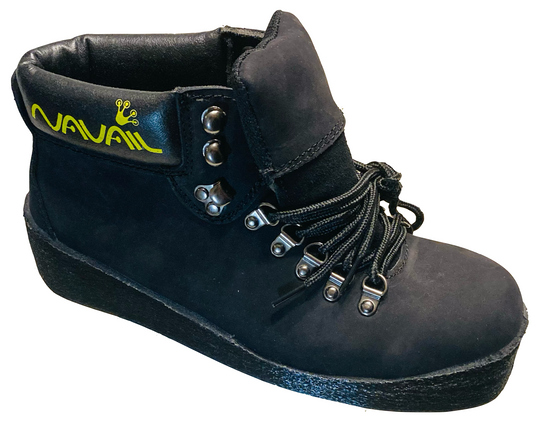
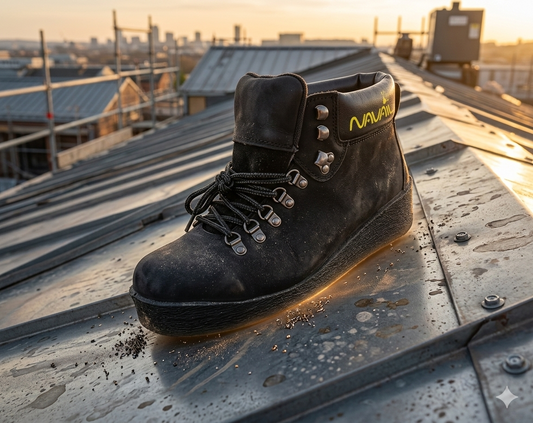
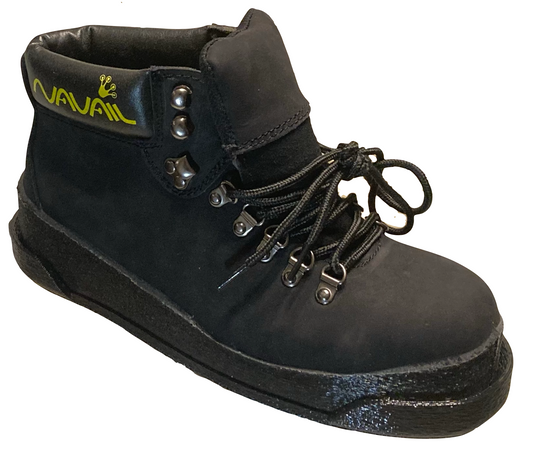
- rutschfeste Sicherheitsschuhe;
- schnittfeste Handschuhe;
- Schweißerschutzschilde oder -helme;
- Schutzbrille;
- Gehörschutz;
- schwer entflammbare Kleidung.
Die Auswahl von PPE hängt stark von der auszuführenden Aufgabe ab.
Werftwetter und Umwelteinflüsse
Der Schiffbau findet häufig im Freien oder in teilweise exponierten Trockendocks statt.
Zu den Umweltrisiken gehören:
- Regen- und Meerwassereinwirkung;
- starker Wind in Hafengebieten;
- Kältestress in Meeresumgebungen;
- UV-Belastung auf offenen Decks;
- schnell wechselnde Wetterbedingungen.
Sicherheitskoordination in Werften
Werften sind Arbeitsumgebungen mit hoher Dichte, in denen viele Teams gleichzeitig arbeiten.
Zu den wirksamen Sicherheitssystemen gehören:
- Arbeitszoneneinteilung und -trennung;
- Koordination der Kranbewegungen;
- Arbeitserlaubnissysteme;
- Kommunikationsprotokolle;
- geplante Inspektionen und Sicherheitsunterweisungen.
Notfallmaßnahmen im Schiffbau
Die Notfallvorsorge muss Folgendes berücksichtigen:
- fällt aus großer Höhe;
- Rettung auf engstem Raum;
- Feuerausbrüche;
- chemische Belastung;
- Ertrinkungsgefahr in Hafenbereichen.
Aufgrund der Komplexität der Schiffsstrukturen ist eine schnelle Reaktionsfähigkeit unerlässlich.
Schiffbau im Vergleich zu anderen industriellen Umgebungen
| Funktion | Schiffbau | Überdachung | Seilzugang |
|---|---|---|---|
| Stahloberflächen | Umfangreich | Mäßig | Nur strukturell |
| Nasse Umgebungen | Konstant | Gelegentlich | Selten |
| Enge Räume | Häufig | Selten | Gelegentlich |
| Höhenbelichtung | Mäßig–hoch | Hoch | Sehr hoch |
| Mehrstufige Komplexität | Sehr hoch | Niedrig–mittel | Hoch |
Der Schiffbau ist einzigartig, weil er mehrere Gefahrenkategorien gleichzeitig vereint.
Häufig gestellte Fragen
Warum gilt der Schiffbau als risikoreich?
Weil es Arbeiten in der Höhe, enge Räume, schwere Maschinen und nasse Stahlumgebungen vereint.
Was ist die häufigste Verletzung auf Werften?
Ausrutscher, fälltVerletzungen und Verletzungen durch manuelle Handhabung gehören zu den häufigsten Vorfällen.
Warum sind Stahldecks so gefährlich?
Stahl wird extrem rutschig bei Nässeölig oder mit Meeresschadstoffen überzogen.
Ist Absturzsicherung immer erforderlich?
Ja, wenn auf erhöhten oder exponierten Schiffskonstruktionen Absturzgefahr besteht.
Wichtige Erkenntnisse
- Der Schiffbau vereint mehrere industrielle Gefahrenkategorien gleichzeitig.
- Nasse Stahloberflächen stellen einen großen Rutschrisikofaktor dar.
- Enge Räume erfordern spezielle Sicherheitsmaßnahmen.
- Absturzsicherung ist in den meisten Werftbetrieben unerlässlich.
- Die Koordination zwischen den Teams ist für einen sicheren Betrieb von entscheidender Bedeutung.
- PPE muss an mehrere gleichzeitige Risiken angepasst werden.
Referenzen
Arbeitsschutzbehörde (OSHA) – Werftbeschäftigung
https://www.osha.gov/shipyard-employment
OSHA Sicherheitsstandards für den Seeverkehr
https://www.osha.gov/maritime
Internationale Arbeitsorganisation (ILO) – Sicherheit im Schiffbau
https://www.ilo.org/
NIOSH – Arbeitssicherheit in der maritimen Industrie
https://www.cdc.gov/niosh/
Health and Safety Executive (UK) – Schiffbau und Schiffsreparatur
https://www.hse.gov.uk/shipbuilding/
Europäische Agentur für Sicherheit und Gesundheitsschutz am Arbeitsplatz – Sicherheit im Seeverkehr
https://osha.europa.eu/
-
MagSteel™ Arbeitsstiefel
Normaler Preis $350.00 USDNormaler Preis -
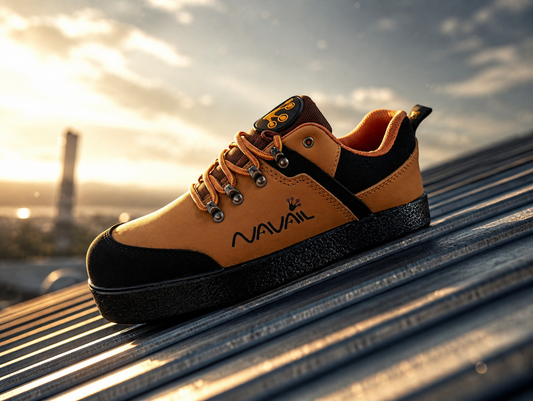
MagSteel™ Flow Schuh
Normaler Preis $339.00 USDNormaler Preis -
Freihändige Sohlenabdeckung
Normaler Preis $50.00 USDNormaler Preis -
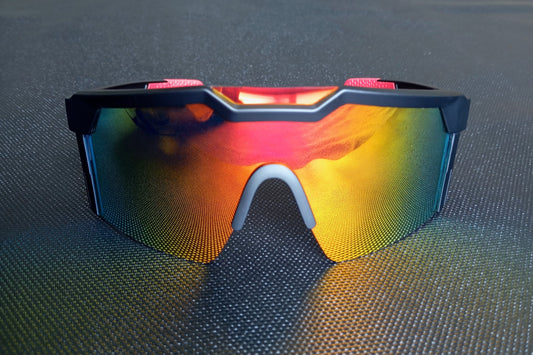
Neo Carbon : Sicherheitssonnenbrille Z87
Normaler Preis $65.00 USDNormaler Preis -
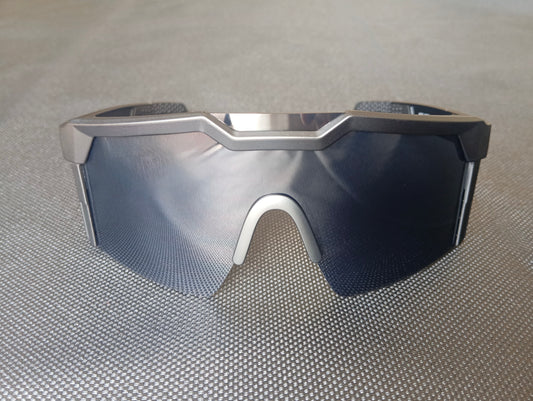
Neo Steel : Sicherheitssonnenbrille Z87
Normaler Preis $75.00 USDNormaler Preis