WHS Laws, Fall Protection and Industrial Standards
Workplace safety in Australia is governed by a harmonised Work Health and Safety (WHS) legal framework, supported by national guidance from Safe Work Australia and enforced by individual state and territory regulators.
This system is designed to create consistent safety principles across the country while allowing each jurisdiction to manage enforcement.
Australia places strong emphasis on risk-based safety management, fall prevention, and employer responsibility.
The Role of Safe Work Australia
Safe Work Australia is the national policy body responsible for developing model WHS laws, codes of practice, and guidance materials.
Safe Work Australia does not directly enforce laws, but it provides:
-
model WHS legislation;
-
codes of practice for industries;
-
research on workplace injuries;
-
national safety statistics;
-
guidance on risk management.
📌 Official website:
https://www.safeworkaustralia.gov.au/
WHS (Work Health and Safety) Legal Framework
Australia’s WHS system is based on model WHS laws, adopted by most states and territories.
Key principles include:
-
duty of care for employers;
-
risk assessment before work begins;
-
elimination or minimisation of hazards;
-
worker consultation and training;
-
incident reporting and investigation;
-
continuous safety improvement.
State and Territory Regulators
Each state enforces WHS laws through its own authority:
| Region |
Regulator |
| New South Wales |
SafeWork NSW |
| Victoria |
WorkSafe Victoria |
| Queensland |
WorkSafe Queensland |
| Western Australia |
WorkSafe WA |
| South Australia |
SafeWork SA |
| Tasmania |
WorkSafe Tasmania |
| ACT |
WorkSafe ACT |
| Northern Territory |
NT WorkSafe |
Work at Height Regulations in Australia
Working at height is one of the most strictly regulated activities under WHS laws.
The key principle is:
Falls must be eliminated wherever reasonably practicable, and if not possible, controlled using engineered systems.
Common requirements include:
-
elimination of fall risk where possible;
-
use of fall prevention systems (guardrails, scaffolding);
-
use of fall arrest systems when necessary;
-
proper training and supervision;
-
safe access systems (ladders, platforms);
-
rescue planning before work begins.
Construction Code of Practice (Key Standard)
A major reference in Australia is the:
“Managing the Risk of Falls at Workplaces” Code of Practice
It outlines practical requirements for preventing falls in construction and industrial work.
📌 Safe Work Australia Code of Practice:
https://www.safeworkaustralia.gov.au/doc/model-code-practice-managing-risk-falls-workplaces
Fall Protection Systems in Australia
Fall protection systems are required when workers are exposed to fall risks that cannot be eliminated.
These include:
-
guardrail systems;
-
scaffolding with edge protection;
-
travel restraint systems;
-
personal fall arrest systems (PFAS);
-
safety nets (in some construction scenarios).
All systems must be:
Ladder and Access Safety
Ladders are a major focus under WHS regulations.
Key requirements include:
-
correct ladder type for task;
-
stable footing and angle setup;
-
maintaining three points of contact;
-
avoiding overreach;
-
inspection before use;
-
not using ladders as work platforms unless designed for it.
PPE Requirements in Australia
Employers must provide PPE when hazards cannot be eliminated.
Common PPE includes:
PPE must comply with AS/NZS standards where applicable.
AS/NZS Standards for Safety Equipment
Australia and New Zealand share harmonised standards known as AS/NZS standards.
Key standards include:
-
AS/NZS 1891 series – Industrial fall-arrest systems
-
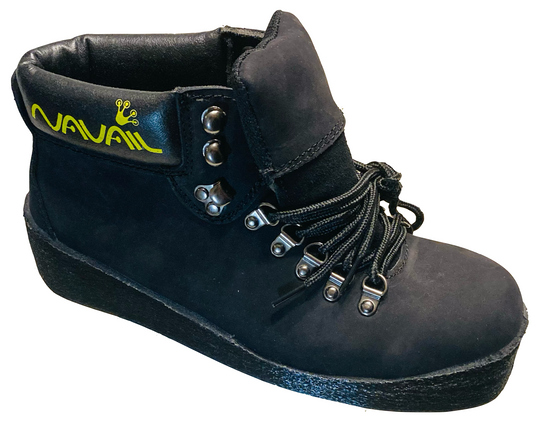
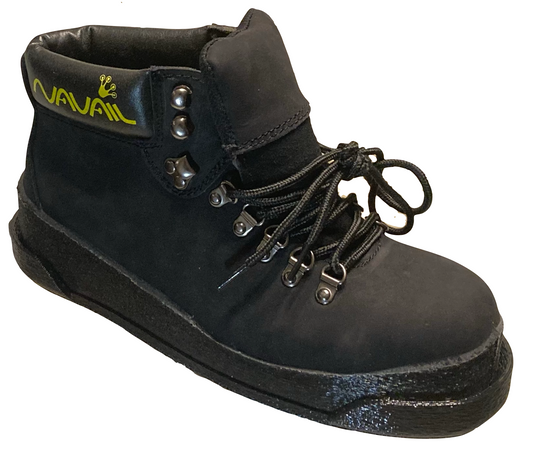
AS/NZS 2210 – Safety footwear
-
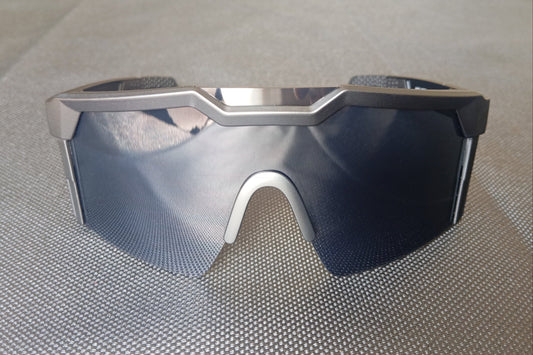
AS/NZS 1337 – Eye protection
-
AS/NZS 4602 – High visibility clothing
📌 Standards overview:
https://www.standards.org.au/
Work at Height in Australian Industries
WHS fall protection rules apply across:
-
roofing and construction;
-
solar installation;
-
shipbuilding and marine maintenance;
-
steel structure construction;
-
telecommunications towers;
-
mining and energy infrastructure.
Australia’s strong construction and mining sectors make height safety a national priority.
Environmental and Climate Risks
Australia presents unique environmental challenges affecting safety:
These conditions significantly increase fatigue and dehydration risks for workers at height.
Rope Access in Australia
Rope access is widely used in Australia for:
It is commonly governed by:
📌 IRATA: https://irata.org/
📌 SPRAT: https://sprat.org/
Safety Culture in Australia
Australian WHS culture emphasizes:
-
“reasonably practicable” risk reduction;
-
strong employer duty of care;
-
prevention-first hierarchy of controls;
-
worker participation in safety systems;
-
documented risk management processes.
The system is highly structured and enforcement is strict in high-risk industries.
Australia vs Other Safety Systems
| Feature |
Australia |
OSHA (USA) |
Europe |
| Structure |
Harmonised WHS model |
Federal OSHA |
EU + national |
| Enforcement |
State regulators |
Federal agency |
National authorities |
| PPE standards |
AS/NZS |
ANSI |
EN / CE |
| Fall protection |
Risk-based |
Rule-based (6 ft) |
Directive-based |
Key Takeaways
-
Australia uses a harmonised WHS model with state enforcement.
-
Safe Work Australia provides national guidance but does not enforce laws.
-
Fall protection is based on risk elimination and control hierarchy.
-
AS/NZS standards define PPE and safety equipment requirements.
-
Environmental conditions (heat, UV) strongly impact safety planning.
-
Rope access and construction industries are heavily regulated.
References
Safe Work Australia
https://www.safeworkaustralia.gov.au/
Managing the Risk of Falls Code of Practice
https://www.safeworkaustralia.gov.au/doc/model-code-practice-managing-risk-falls-workplaces
WorkSafe NSW
https://www.safework.nsw.gov.au/
WorkSafe Victoria
https://www.worksafe.vic.gov.au/
Standards Australia (AS/NZS Standards)
https://www.standards.org.au/
IRATA International
https://irata.org/
SPRAT Rope Access Association
https://sprat.org/